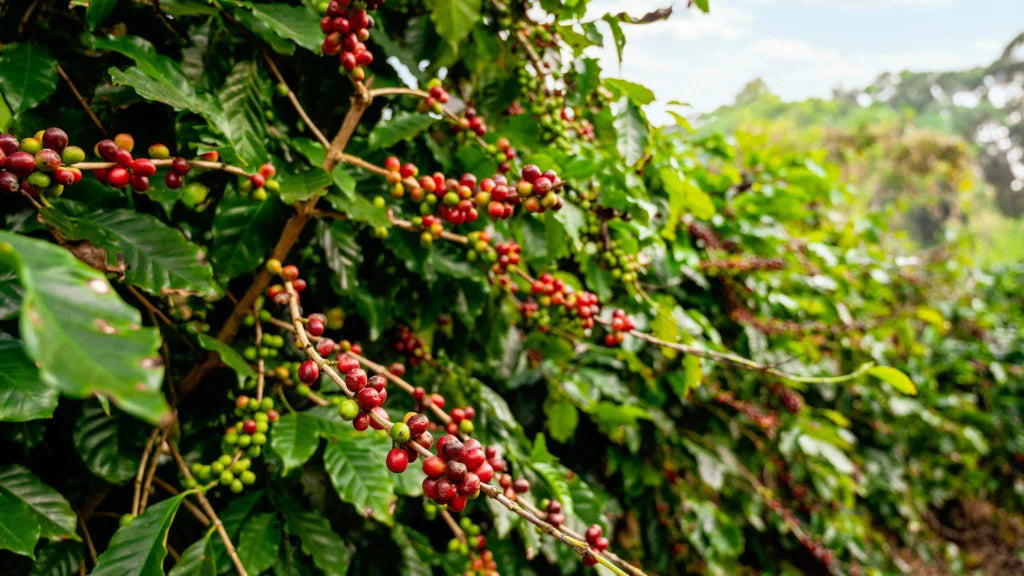
Why is organic coffee important?
Organic coffee matters because it cuts climate pollution, protects forests and biodiversity and supports healthier soils - and the farmers whose livelihood depends on them.
An independent certification from bodies like the Organic Farmers & Growers means you can trust that the measurement is impartial. For Source Climate Change Coffee, organic certification is a practical way for us to prove to our customers that our climate claims are real, not just marketing.
What organic means
Organic means that that coffee is grown and processed without synthetic fertilisers and pesticides or genetically modified organisms and additives under standards that are set in UK law, e.g. Retained Regulation (EC) No. 834/2007 which is still used post-Brexit.
Using the word organic on the packaging is only allowed if an approved certifier has inspected and signed off the supply chain. We are certified by the Organic Farmers & Growers (OF&G) association.
Climate and environmental benefits
Synthetic nitrogen fertilisers are energy-intensive to make and release greenhouse gases. By avoiding them, organic coffee farms have a lower carbon footprint than those that use conventional farming practices.
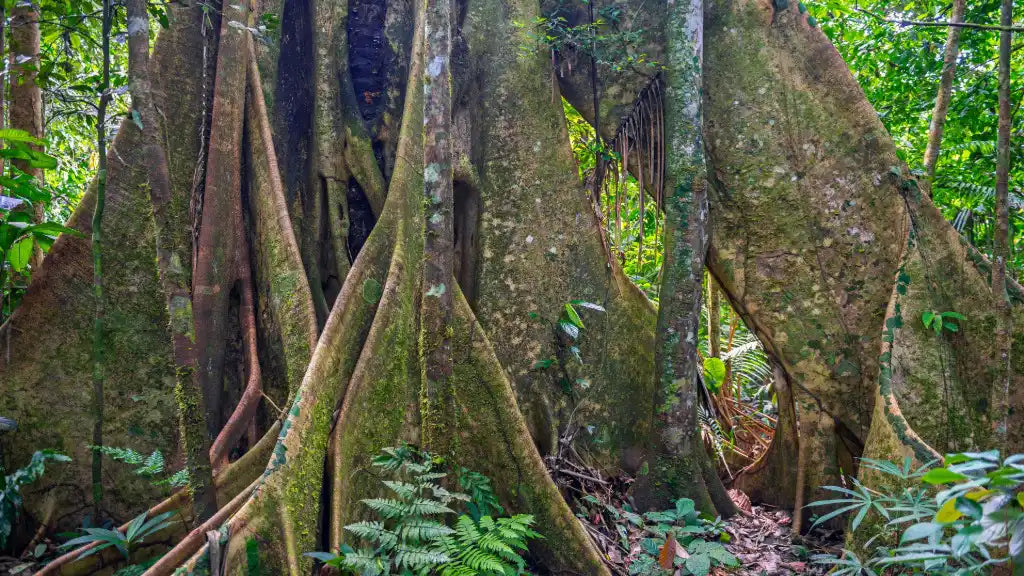
Many organic coffees are shade-grown within agroforestry systems, which preserves forest cover, sequesters carbon in trees and soils and helps to buffer the crop against droughts and the extreme weather associated with climate change.
Soil health
Organic practices like composting, mulching and mixed cropping builds a healthier soil, which stores more carbon and uses water more efficiently. Mixed cropping avoids leaching of the soil, which then has to be enriched with chemical fertilisers.
By keeping trees on site, organic practices avoid runoff, keeping rivers cleaner. The shade trees also support a wide range of wildlife, birds and insects providing habitats and food, increasing biodiversity when compared to monocultures.
Grower livelihoods
Using organic practices can improve long term yields and reduce input costs which improves the livelihoods of coffee growers. It can also earn them a price premium on the organic certification.
Healthier soils, and diversified agroforestry plots are more resilient to pests, disease and climate shocks, helping to secure a financial figure for growers.
Why organic certification matters to Source Climate Change Coffee
The Organic Farmers & Growers association was the first UK organic certification body to be approved by the government for its standards which were built on the EU/UK organic regulations. They also added best practice guidance.
By certifying with a transparent, third party verification process, our consumers know that our coffees are grown and processed to rigorous organic and climate friendly standards.
This aligns with our mission around preserving forests, encouraging biodiversity, and taking climate action. And our support of coffee growers, teaching them new ways to grow coffee that provide them with a livelihood and continued income, while at the same time preserving their soils, water sources and local communities. Organic growing practices align with both of these.
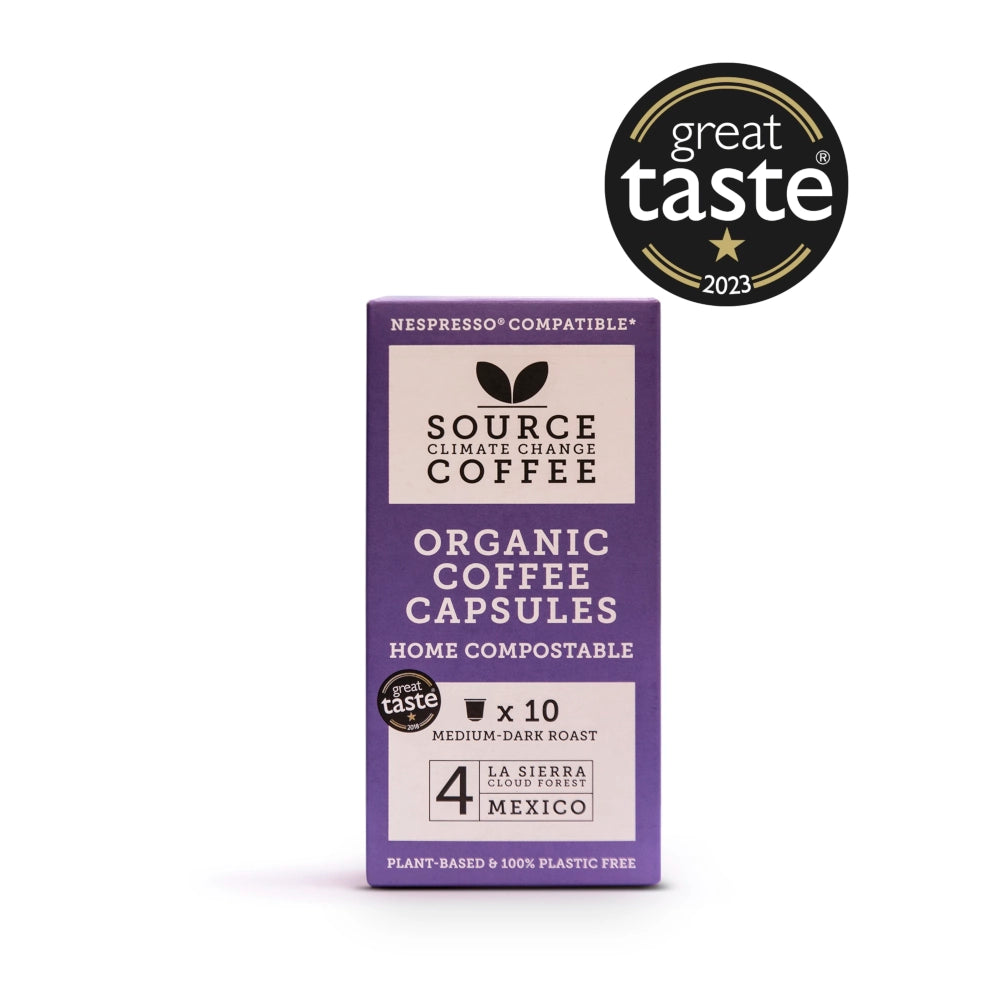
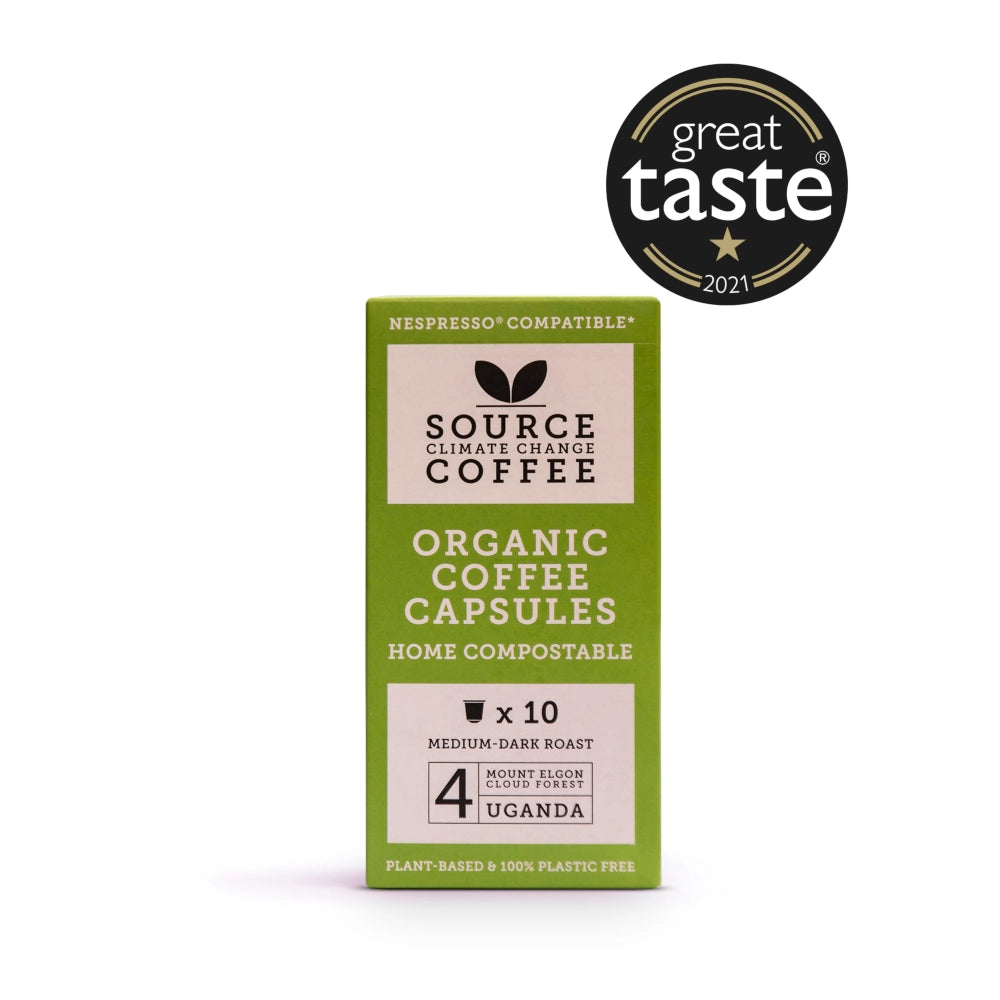
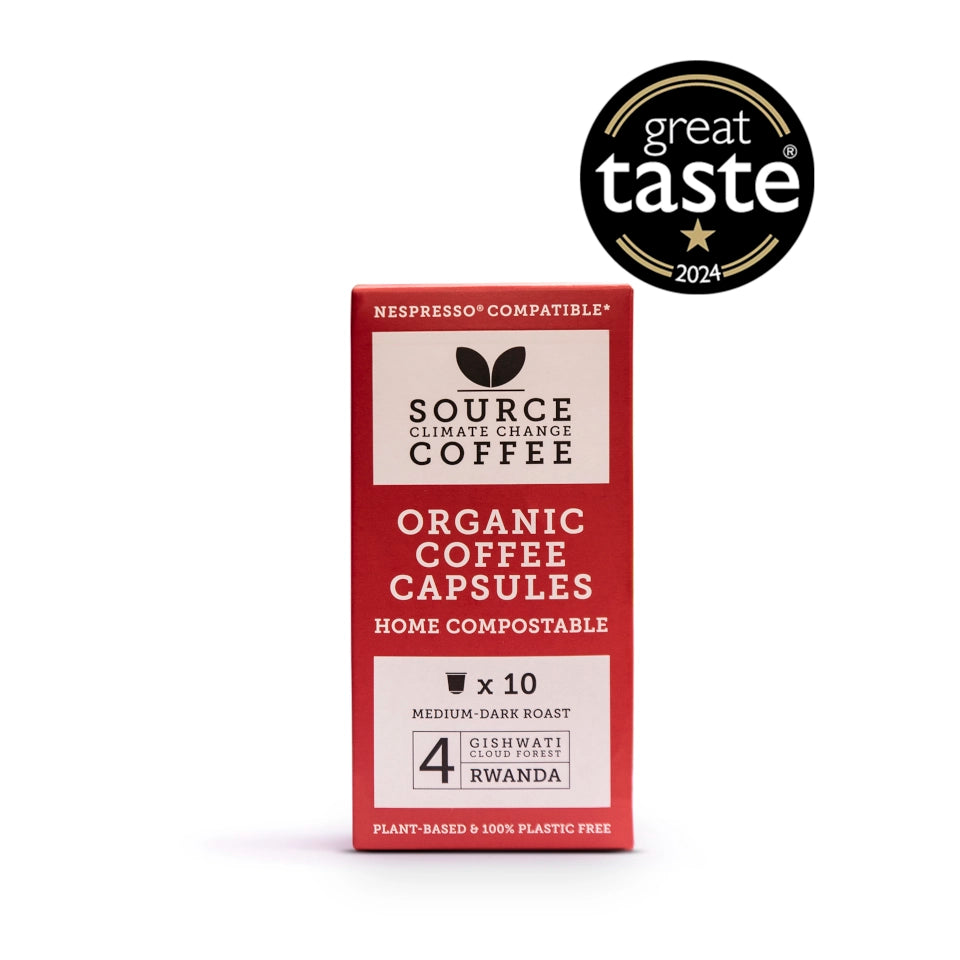
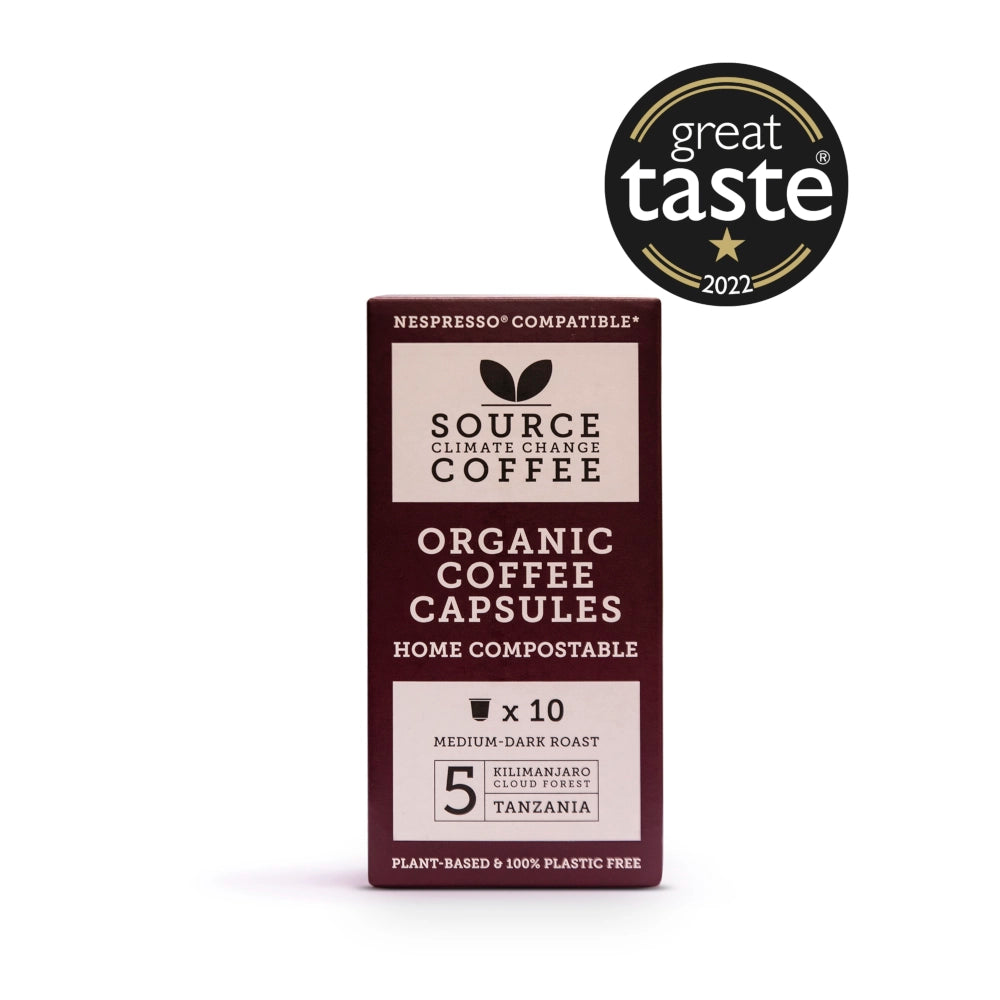
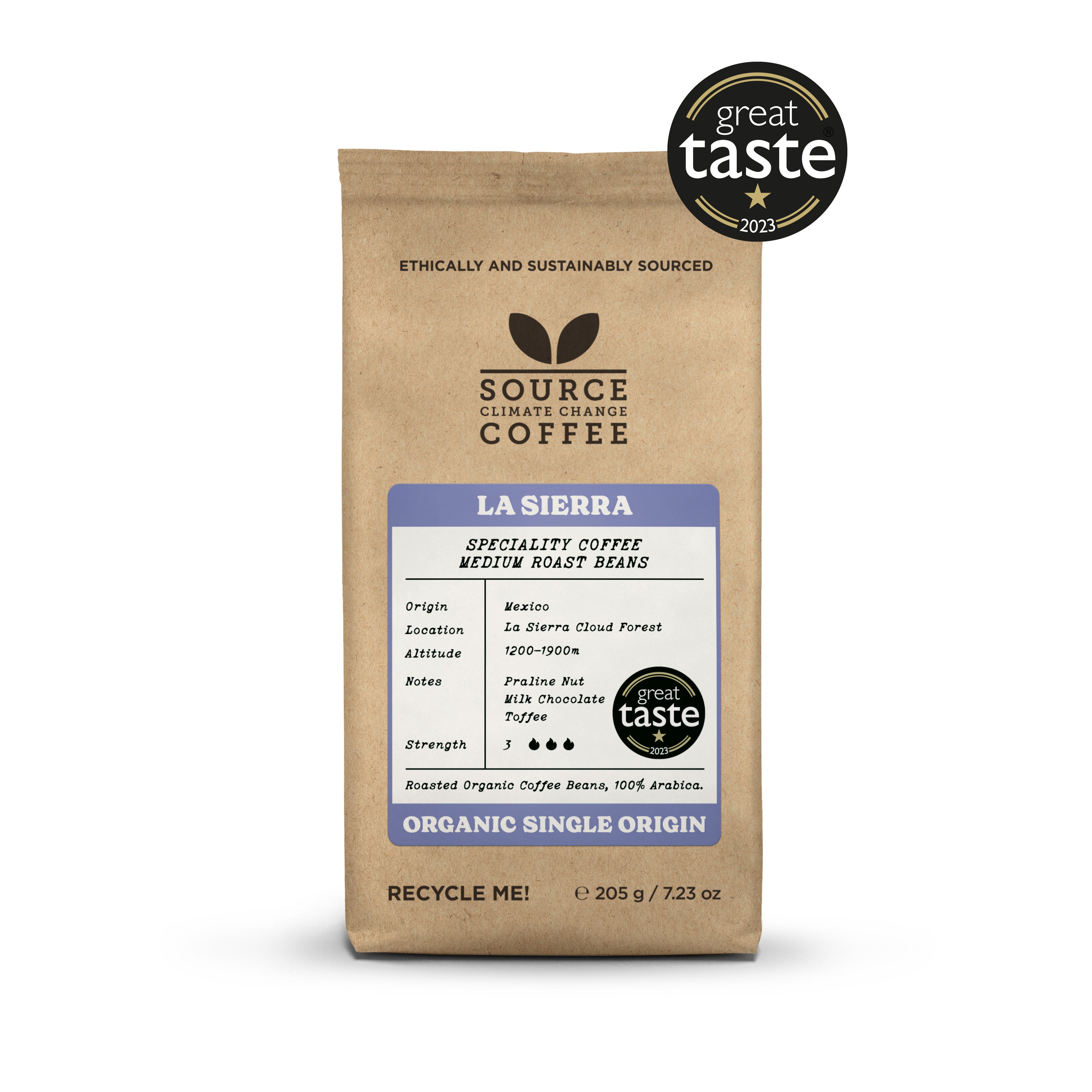
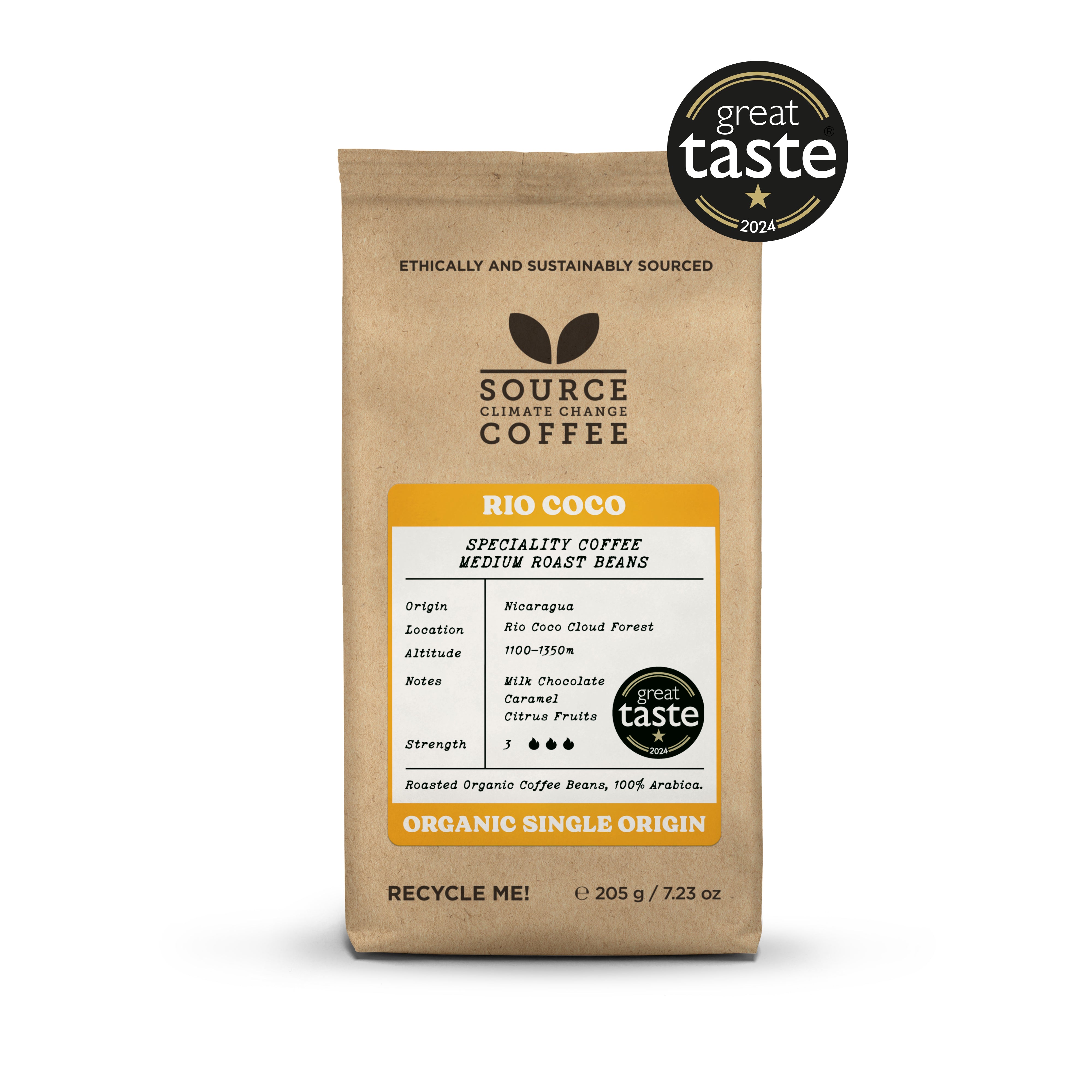
We are passionate about the quality of our single origin organic coffees which we think you can taste in the flavour profiles.
Related post
12
Aug
06
Jul

04
Jun
13
May

10
Apr
RECENT POSTS