
How coffee growing helps fight rural poverty in Nicaragua
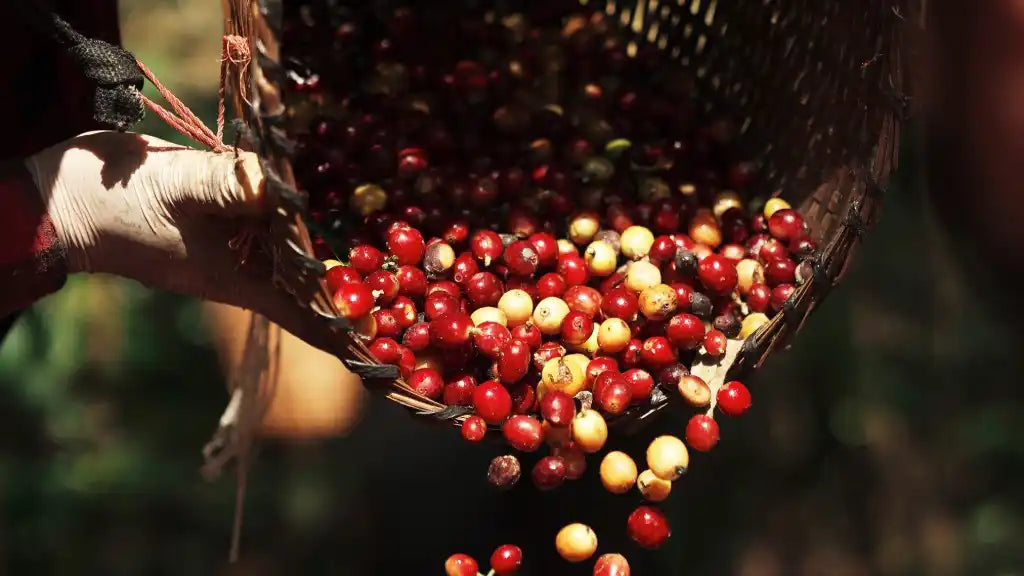
Coffee is an important crop in Nicaragua and the main source of income for many families. But it is a seasonal crop that is vulnerable to climate change and families can still find themselves on the breadline, even when they work hard. But coffee growing can help fight rural poverty in Nicaragua through employment, fair prices and education.
The coffee market in Nicaragua is huge and it is a significant producer of high quality Arabica coffee. The World Coffee Research organisation reports that 50% of the coffee is produced by smallholders and there are 40,000 growers in the country. Despite the economic importance of coffee, many smallholder families live below or near the poverty lines.
Coffee growers in Nicaragua are typically smallholders with limited funds. They rely on family labour and live from hand to mouth, scraping together a living from a seasonal crop. They have limited access to finance and education. Add to this the limitations that are faced by female growers who may have had to drop out of school and are raising families, whilst trying to make a living. Families suffer through ‘hungry months’ when income is low because coffee growing is seasonal and they can’t cover basic needs.
How coffee helps fight rural poverty
Growing coffee has the potential to provide them with a way out of poverty - with the right support: community collaborations like co-operatives and access to training programs - both of which Source Climate Change Coffee backs. Source Climate Change Coffee works with co-operatives in Nicaragua in the region of San Juan Rio Coco, where on average smallholders have 2.8 hectares of land (the size of 4 football pitches).
By joining co-operatives, growers can access training, credit facilities and improved coffee processing and milling facilities. These can all increase their income from coffee. That in turn helps them to educate the next generation of coffee growers on how to make a profit from coffee.
Coffee growers can raise higher prices by selling in specialty and certified markets such as organic. By going down this route, they can increase their net income and reduce their vulnerability to coffee price swings.
Organic certification means that buyers will often pay a premium for the crop. This is because organic coffee yields tend to be 40% lower than conventionally grown coffee which has chemical inputs and fertilisers. This in turn incentivises coffee growers to use environmentally friendly practices that can fetch a premium on the market.
Higher returns mean families can invest in nutrition, education and community projects. In this way, projects like the ones that Source Climate Change works with can secure long term livelihoods.
In Nicaragua, tens of thousands of growers in the highlands depend on coffee as their primary source of income, but they are vulnerable to climate risks, exacerbated by aging trees and problems with infestations. We support conservation programmes that educate smallholders on how to grow coffee regeneratively through agroforestry. This increases the crops' resilience to climate change, helps increase their harvests and subsequently their income.
The impact of profitable coffee growing goes beyond the rural areas into processing facilities, transport and local enterprises, bringing social change. This in turn encourages gender and youth initiatives which train and empower the community. Ethical sourcing of organic coffee supports these community level benefits and encourages investors and roasters to back grower-centric models.
It’s not a magic solution and more does need to be done to ensure the future of these initiatives in the industry. But with the right support, coffee growing can become a driver of rural income, social development and climate resilience, rather than a poverty trap.
Related post
30
Sep
12
Aug
06
Jul

04
Jun

13
May
RECENT POSTS