

Is shade grown coffee just a fad?
Is shade grown coffee just a fad? We don’t think so. We can see the benefit that using this farming method has for both our growers and our customers - quality taste, higher yields, better prices, more organic and biodiverse environment. In fact, shade grown coffee is ancient, dating back thousands of years in Ethiopia, where Coffea arabica is native.
What does shade grown coffee mean?
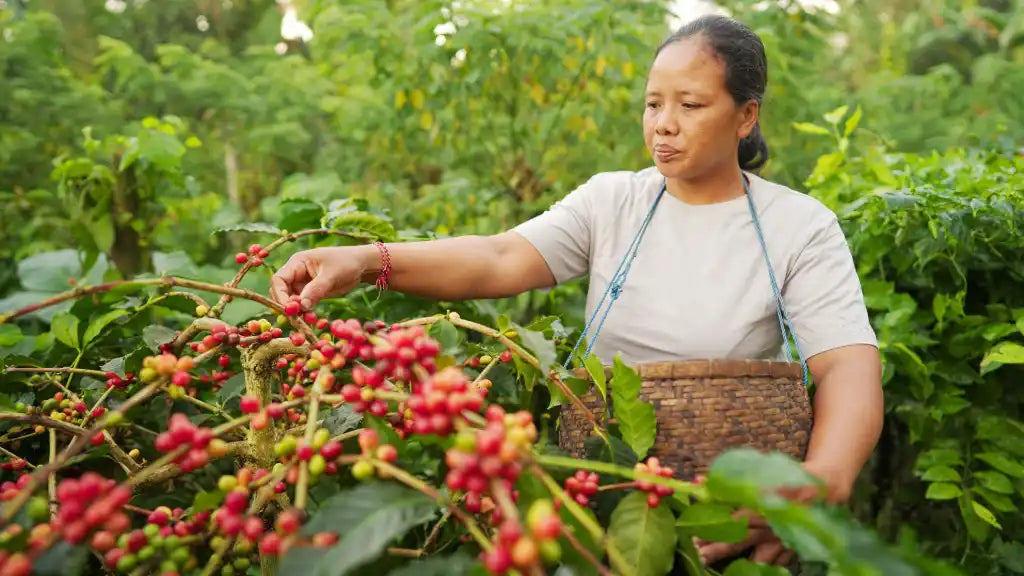
In shade grown coffee, coffee plants are interspersed with trees. The idea is to provide a canopy over the top of the coffee. The trees benefit the coffee and the coffee benefits the trees.
Growing under shade is a traditional form of agroforestry, which is the broader practice of integrating trees and shrubs with crops and livestock (silvopasture). Agroforestry includes other farming practices like alley cropping, growing crops in between rows of trees, and windbreaks where trees are grown around crops to provide a windbreak. This also helps sustain a more biodiverse environment for native plant and animal species.
Why shade grown coffee?
There are a number of reasons that shade grown coffee is preferable. Among them is a more complex and better taste. Shade grown coffee is also a more natural product, which is important in organic farming as we are relying less on fertilisers and pesticides. It is also more climate resilient, fixing nitrogen to the ground and encouraging the falling of leaves which can help with ground cover and water retention.
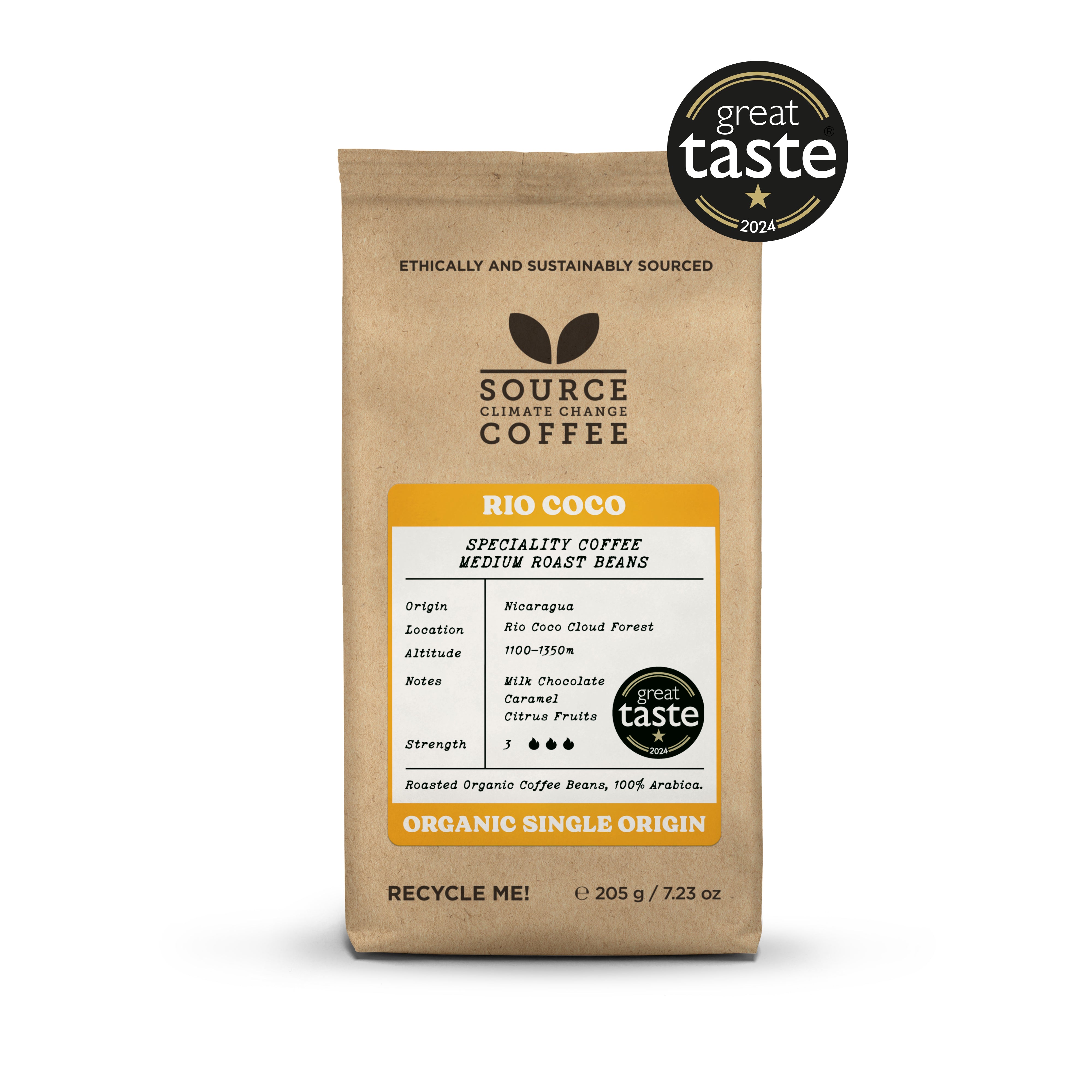
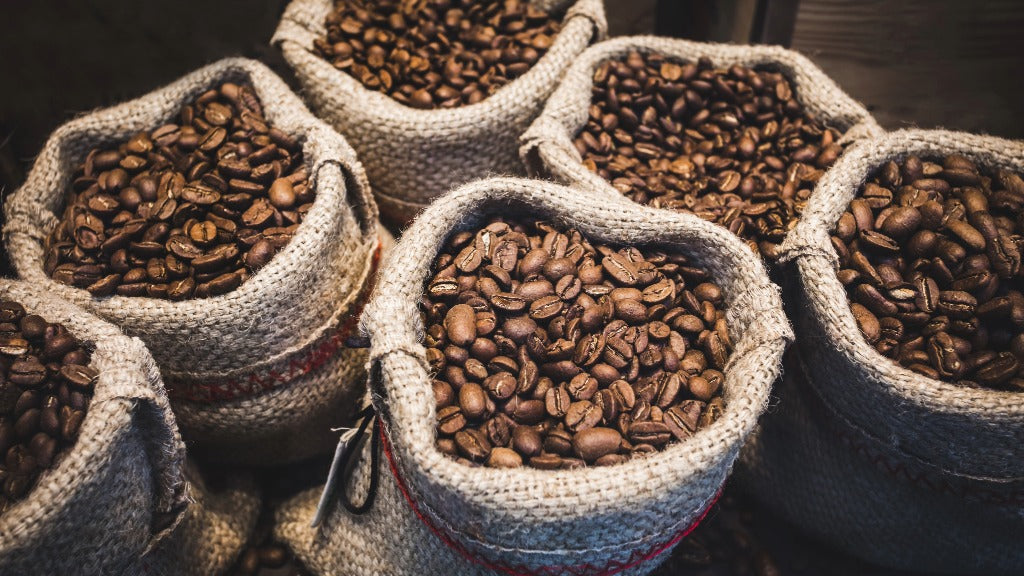
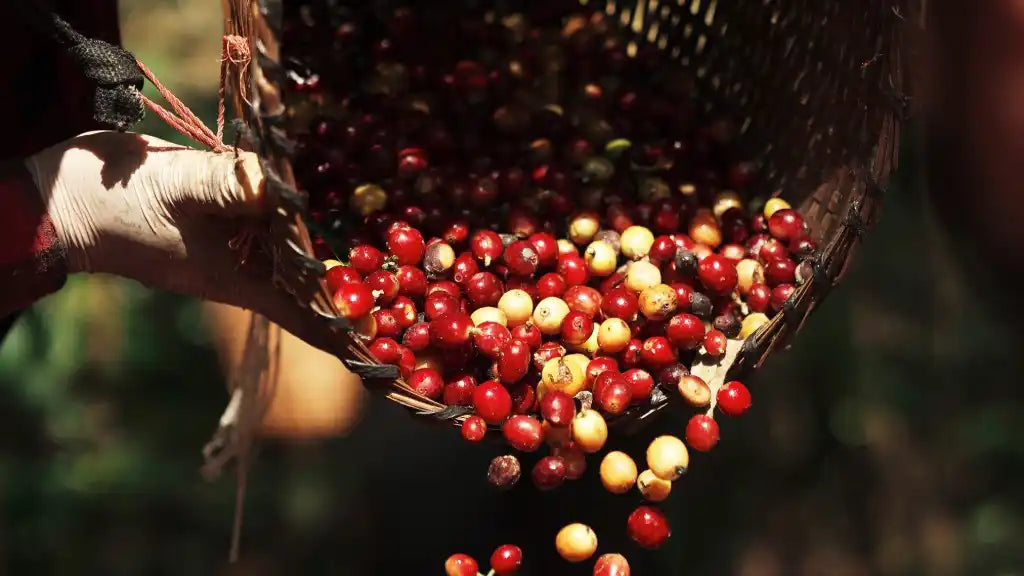
First and foremost, shade grown coffee is of a superior quality. As coffee cherries mature more slowly when they are grown in shade, they develop higher natural sugars. This gives them a smoother, more complex, less bitter and more acidic flavour profile. Notes of caramel, citrus, chocolate and nuts can be experienced.
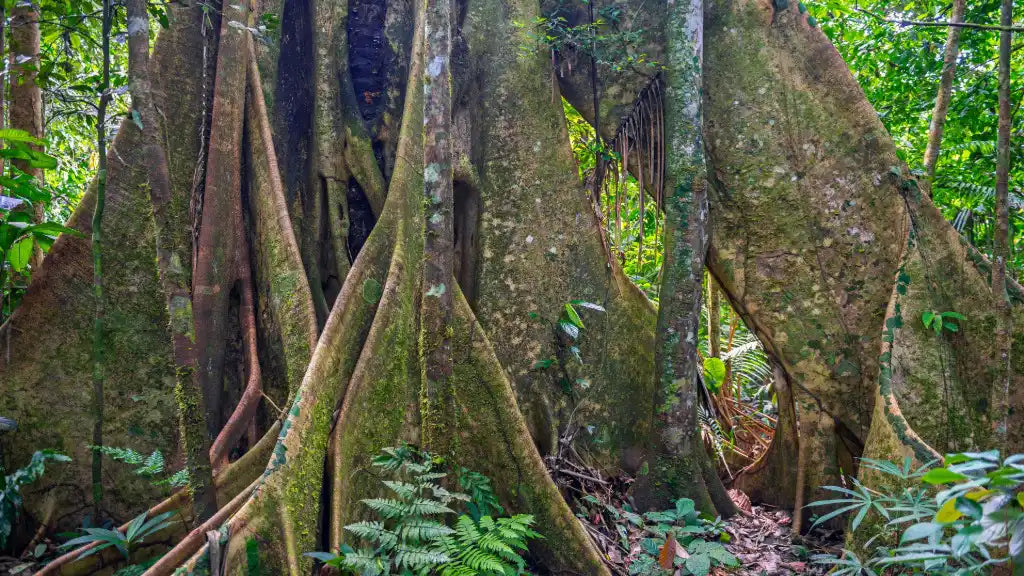
The trees provide protection for the coffee plants from sun and rain, and they can stop soil erosion during heavy rainfall and flooding. In their turn, any organic coffee plant debris breaks down around the tree roots, composting them. This improves the soils, providing rich, organic earth for the coffee without the need for synthetic fertilisers.
Trees provide habitats for birds and animals, increasing the biodiversity of the plot and local area (Smithsonian's National Zoo and Conservation Biology Institute). Animals and birds leave droppings that also add to the organic matter. Insects also find refuge in the trees, helping with pollination of local crops and native plants. This ecosystem encourages natural predation, which reduces the need for artificial pesticides.
Shade protects the coffee plants from extreme temperatures, lowering the local temperature by as much as six degrees (Science Direct). And trees are, of course, carbon sinks - storing carbon in their trunks, branches, leaves and roots as well as the surrounding soil. Thus, they mitigate climate change by storing rather than emitting carbon.
In addition to carbon storage, the shade protection, natural organic food and pest control ecosystem provided by the trees makes the coffee crop more climate resilient and less vulnerable to extreme temperatures and weather.
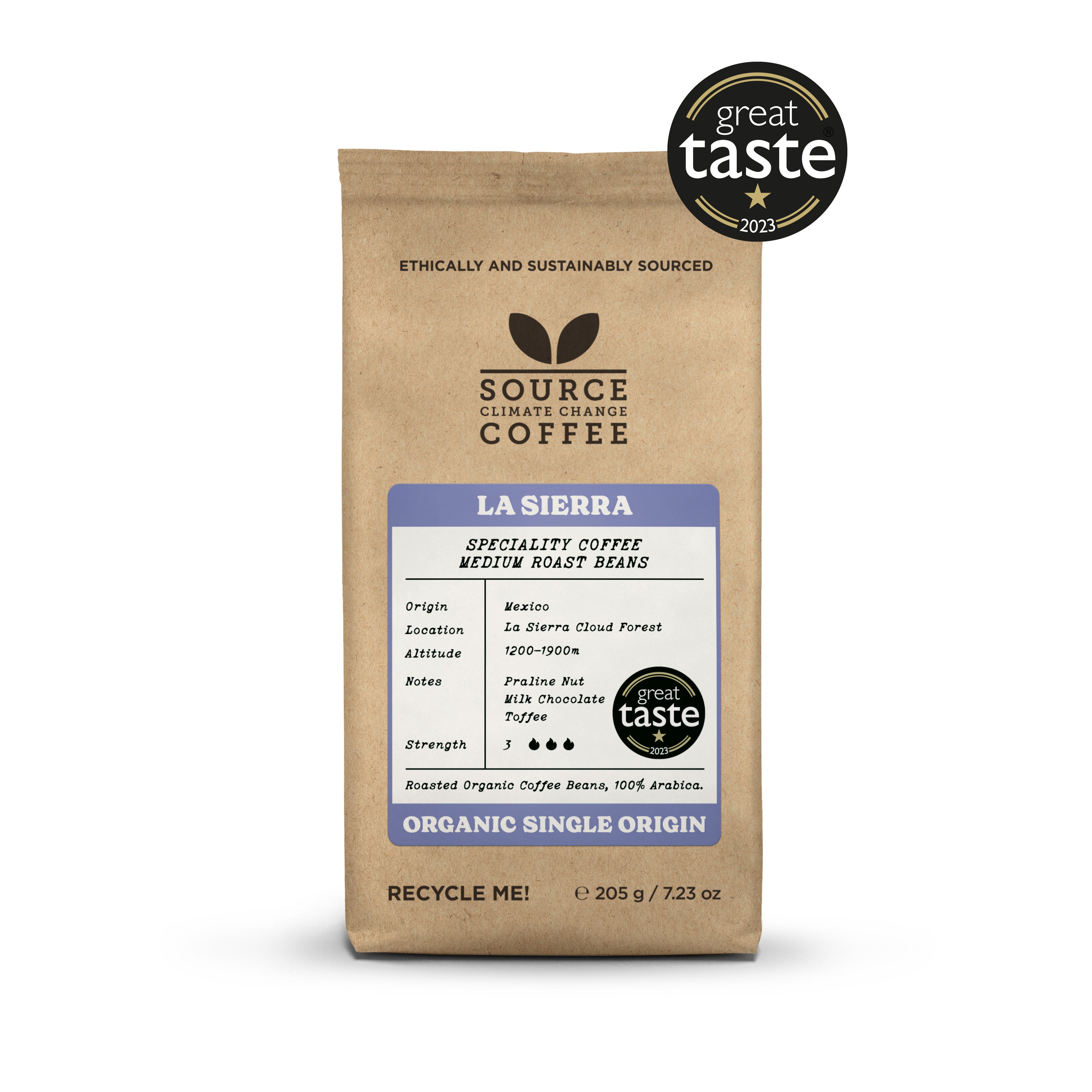
Source Climate Change Coffee is shade grown. We think it shows in the taste and that’s why our coffee has won many awards.
The co-operatives we work with understand that higher quality coffee with a superior taste that is organic sells at a higher price. It can increase their incomes, and so they are incentivised to follow best practices in order to earn a better living.
At the same time, they are using an environmentally friendly method that is beneficial for the planet - planting trees which are carbon sinks, reducing temperatures, improving soils, encouraging biodiversity, and managing water.
Related post
19
Oct
30
Sep
12
Aug
06
Jul

04
Jun
RECENT POSTS