

Understanding coffee strength without the jargon
Often people ask for “the strongest coffee” without knowing what that means. We’ll unpack coffee strength in simple terms so you can confidently choose the right roast for you.
Strong coffee
What most people think when they say ‘I need a strong coffee’ is that they want a bold flavour and very high caffeine so they feel that ‘hit’ to keep them going. The problem is that packaging on coffee uses different terms for strength, adding to the confusion.
Strength vs caffeine vs roast level
There are three main ways to measure coffee - ‘strength’, caffeine and roast.
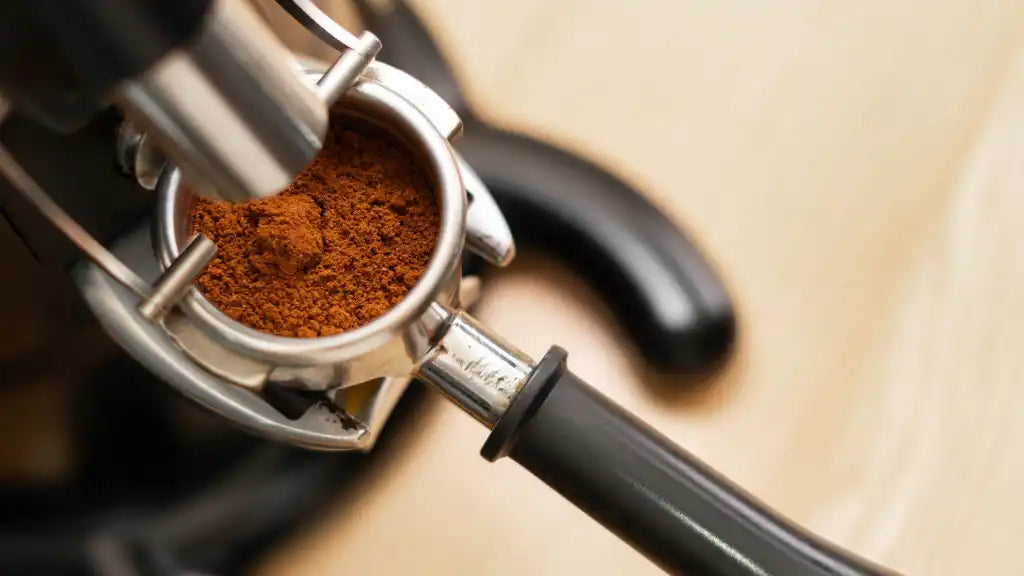
Strength is how the cup of coffee has been brewed. It measures how intense the flavour of the coffee feels in the cup and it is affected by how much coffee you put in the pot, how finely the coffee beans are ground, and how long you brew the coffee for. Different methods of making coffee affect the intensity. Espresso and moka pot coffees are more intense, percolation is more balanced, cafetieres add body, while cold brews are typically milder.
Caffeine measures how stimulating the coffee is. The buzz that you feel after a cup of coffee. The caffeine level doesn’t always match with how ‘strong’ the coffee tastes.
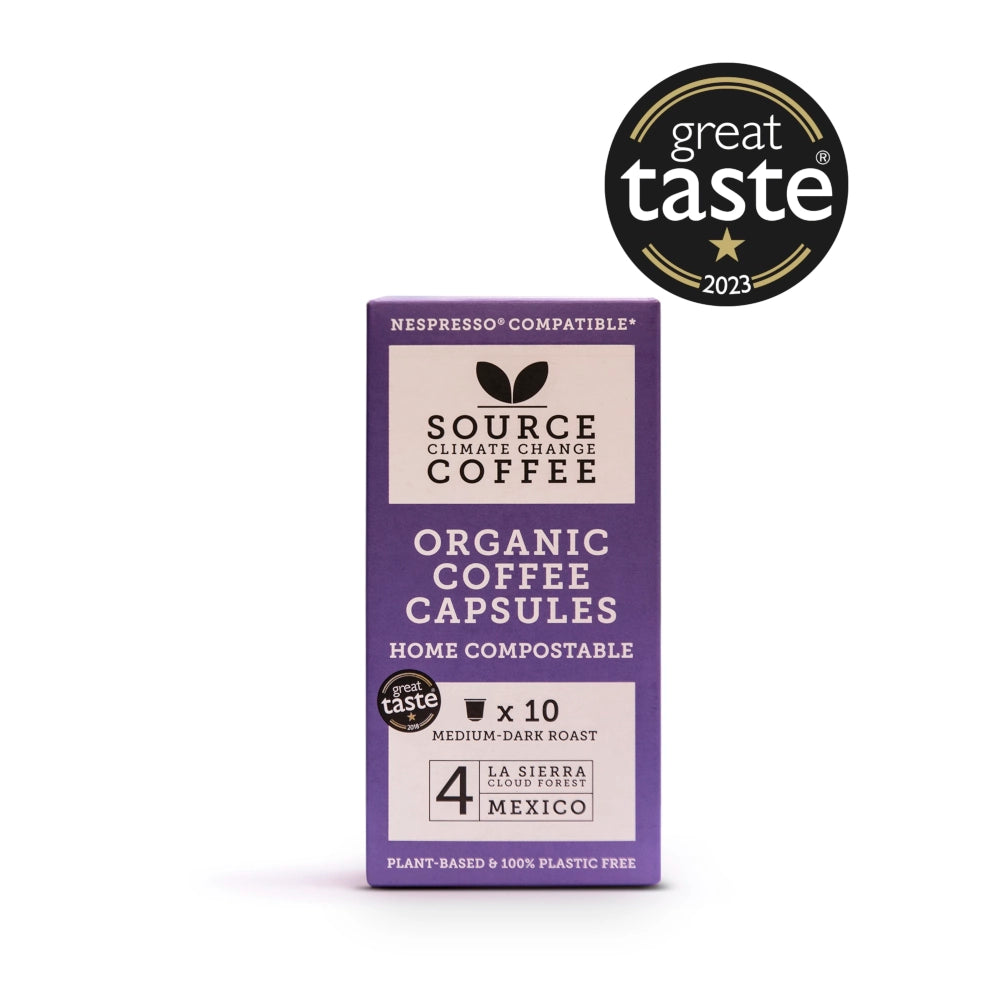
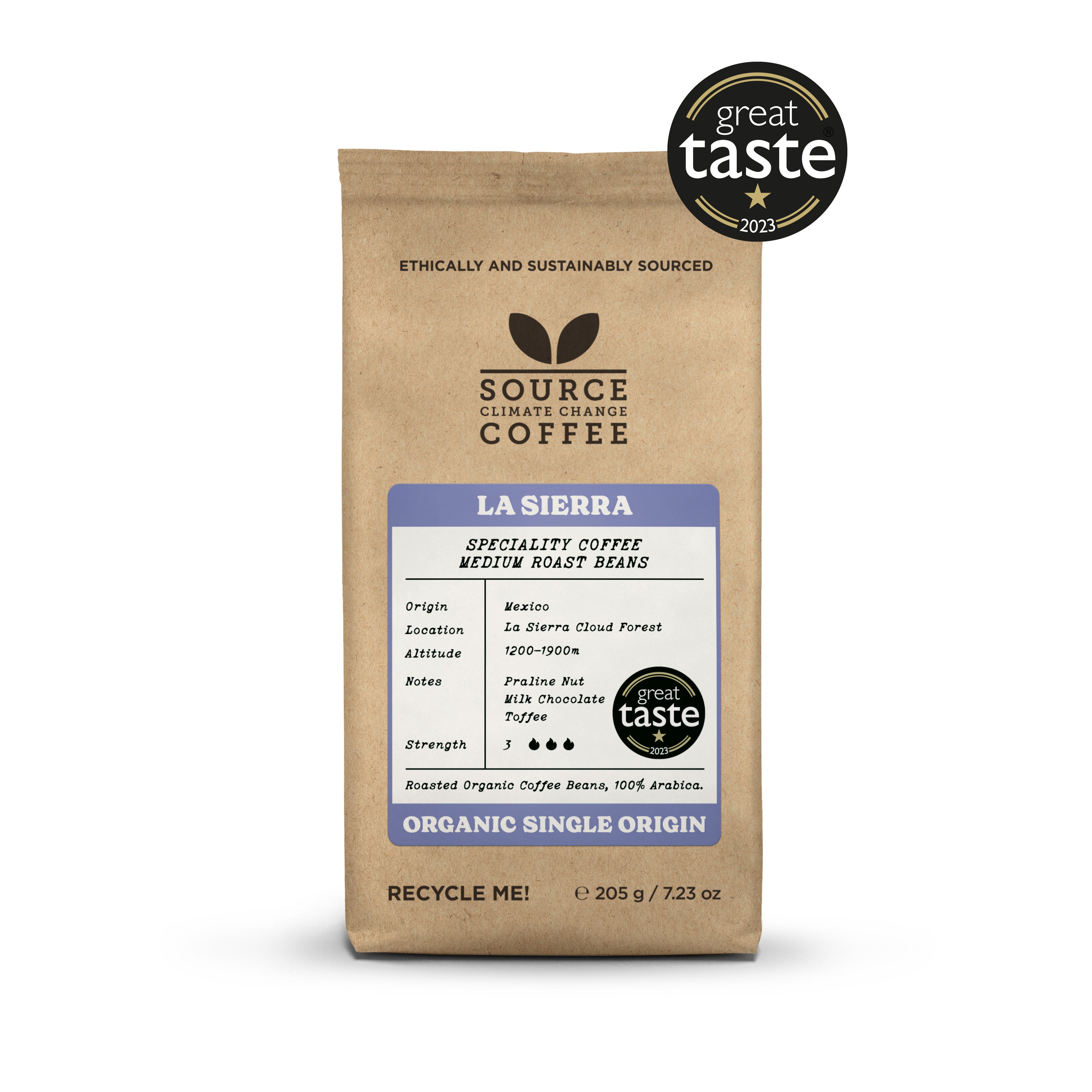
Our decaffeinated La Sierra Cloud Forest coffee could be brewed for an intense flavour featuring its nutty, toasted, and praline taste but it is 99.9% caffeine free. Your brewing choice matters here with cold brew and drip coffee high in caffeine, moka and cafetiere medium and espresso the strongest.
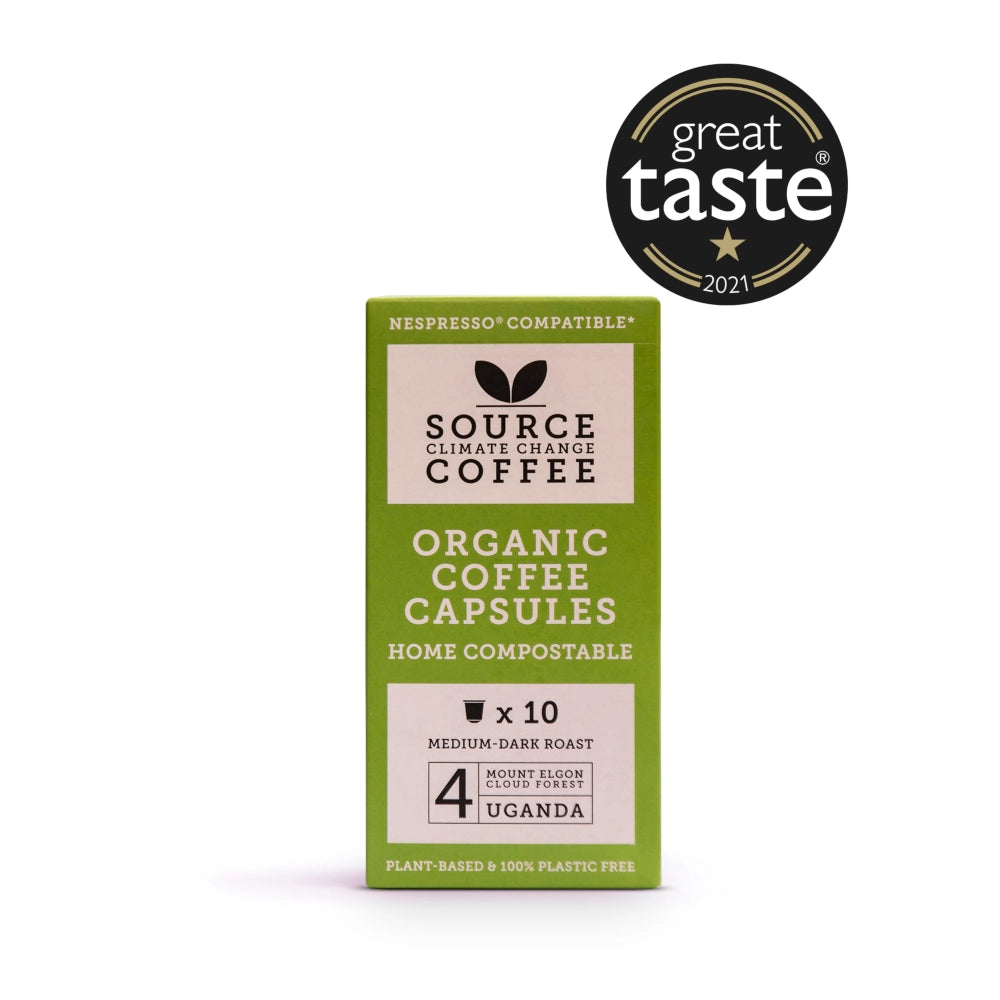
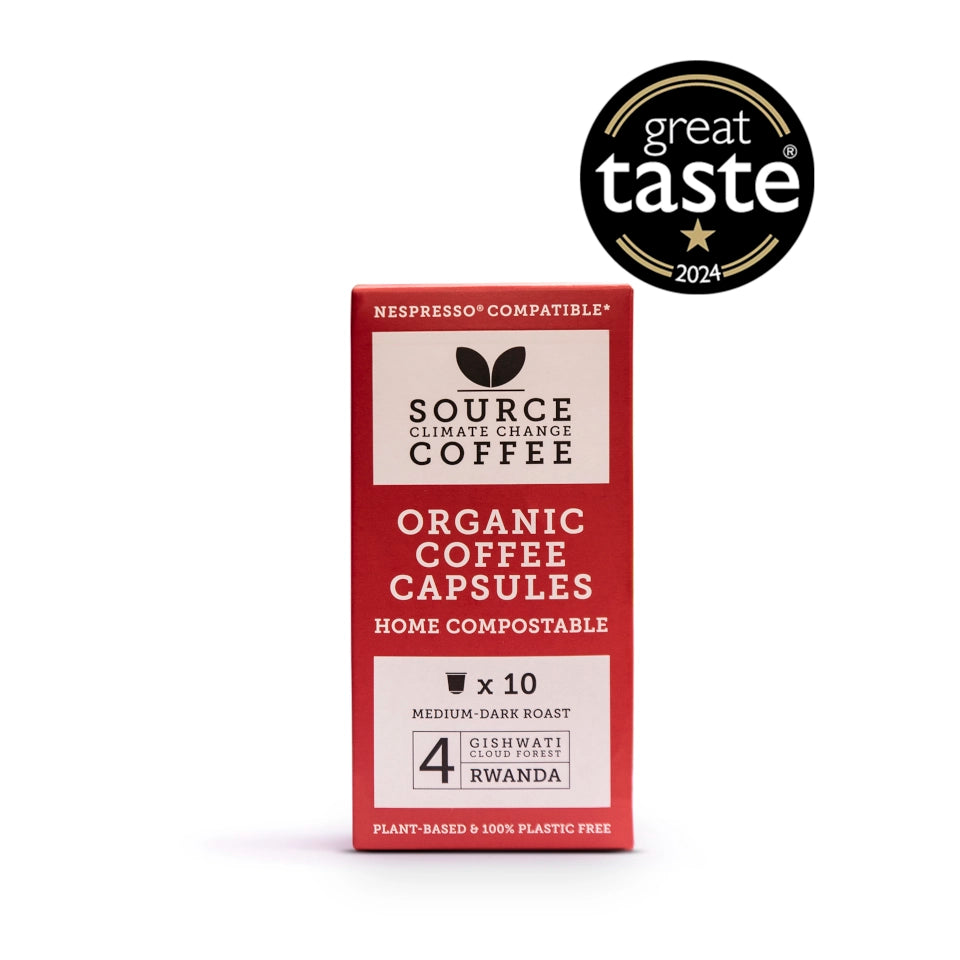
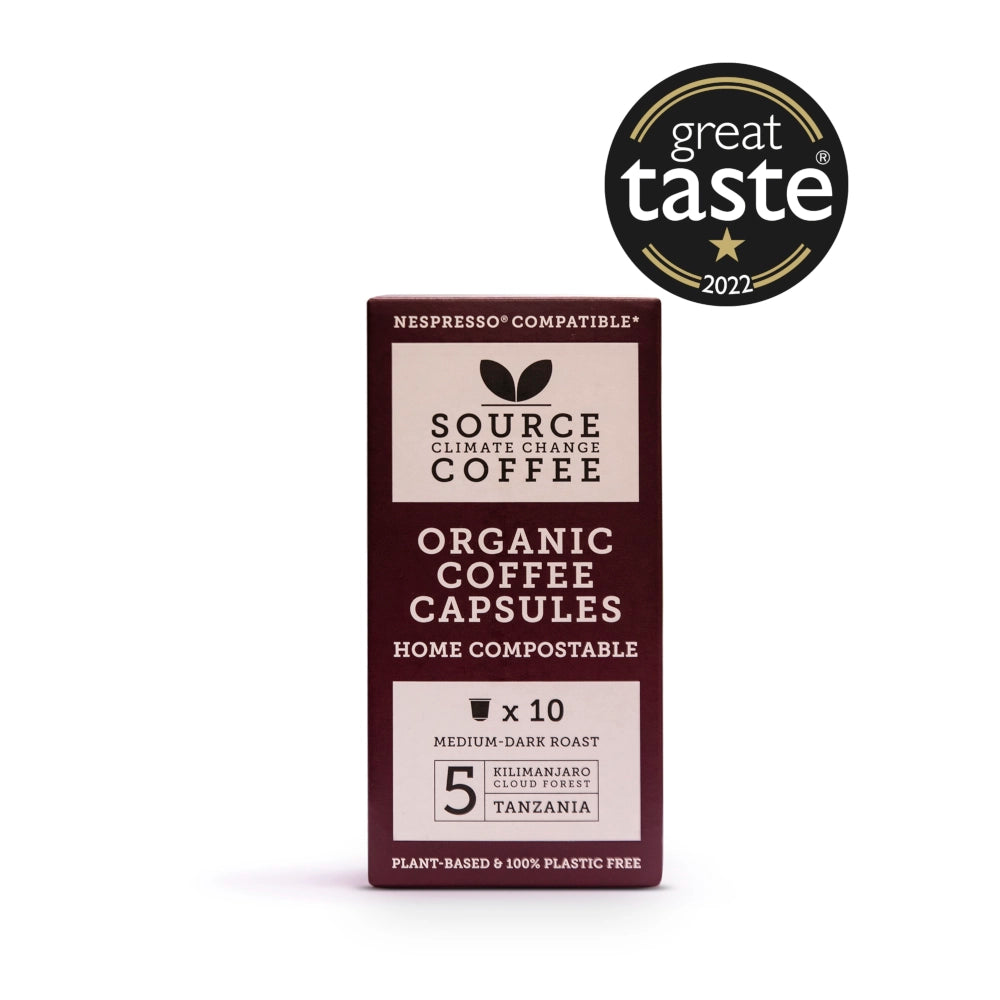
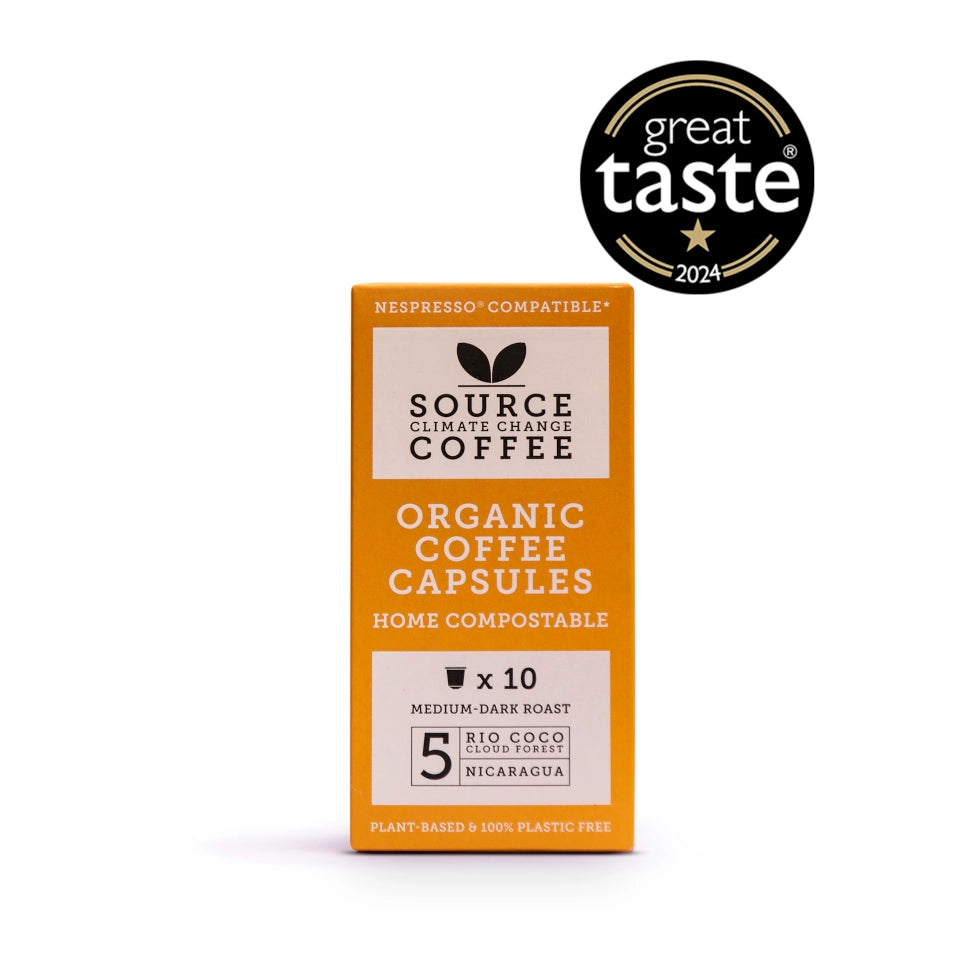
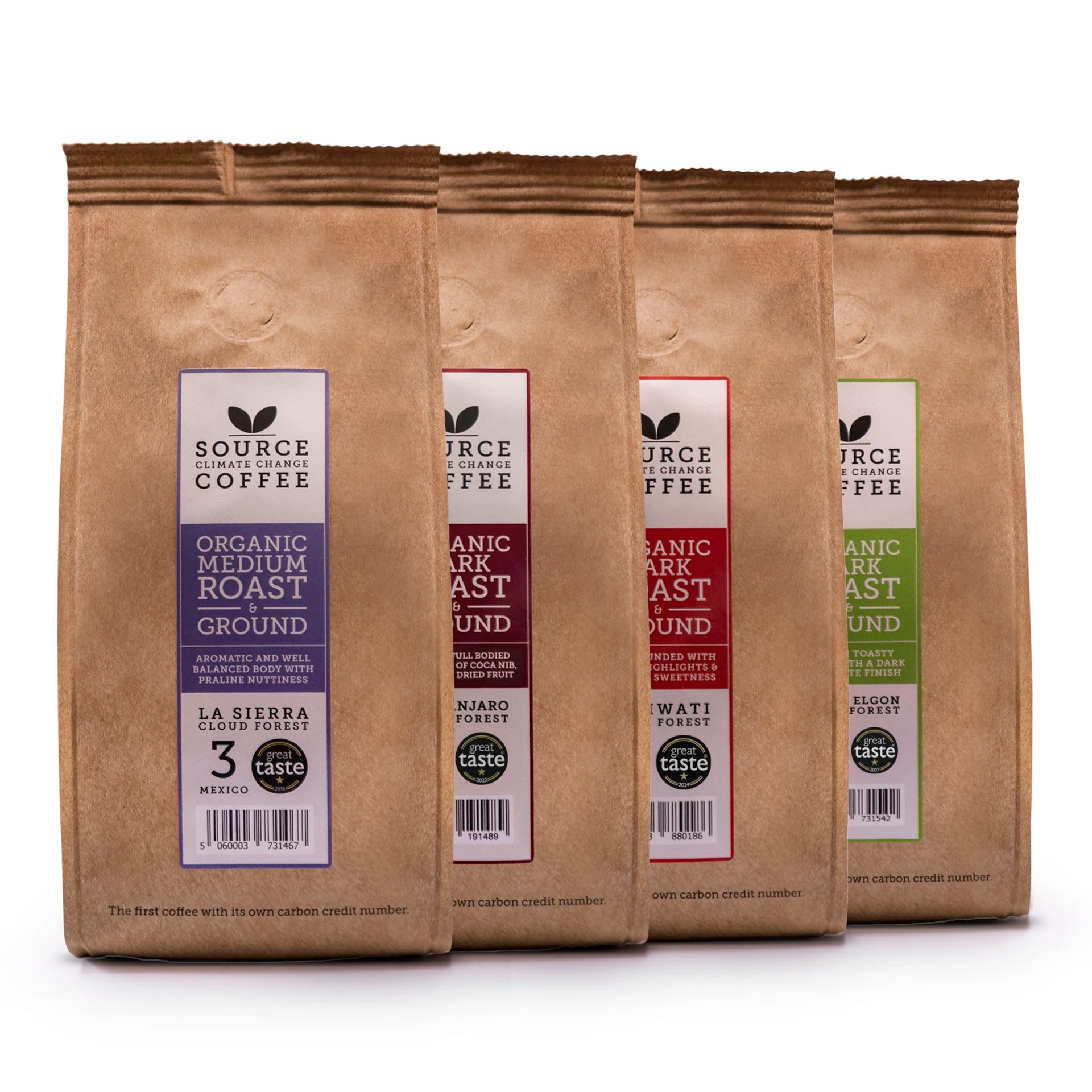
The roast level measures how long the beans were roasted for. This changes the flavour and body of the coffee. Our coffees are medium, medium-dark and dark roasted - each is roasted for a different length of time, the darker the longer. A dark roast can be brewed for longer for a more intense flavour but may have the same caffeine as a lighter roast.
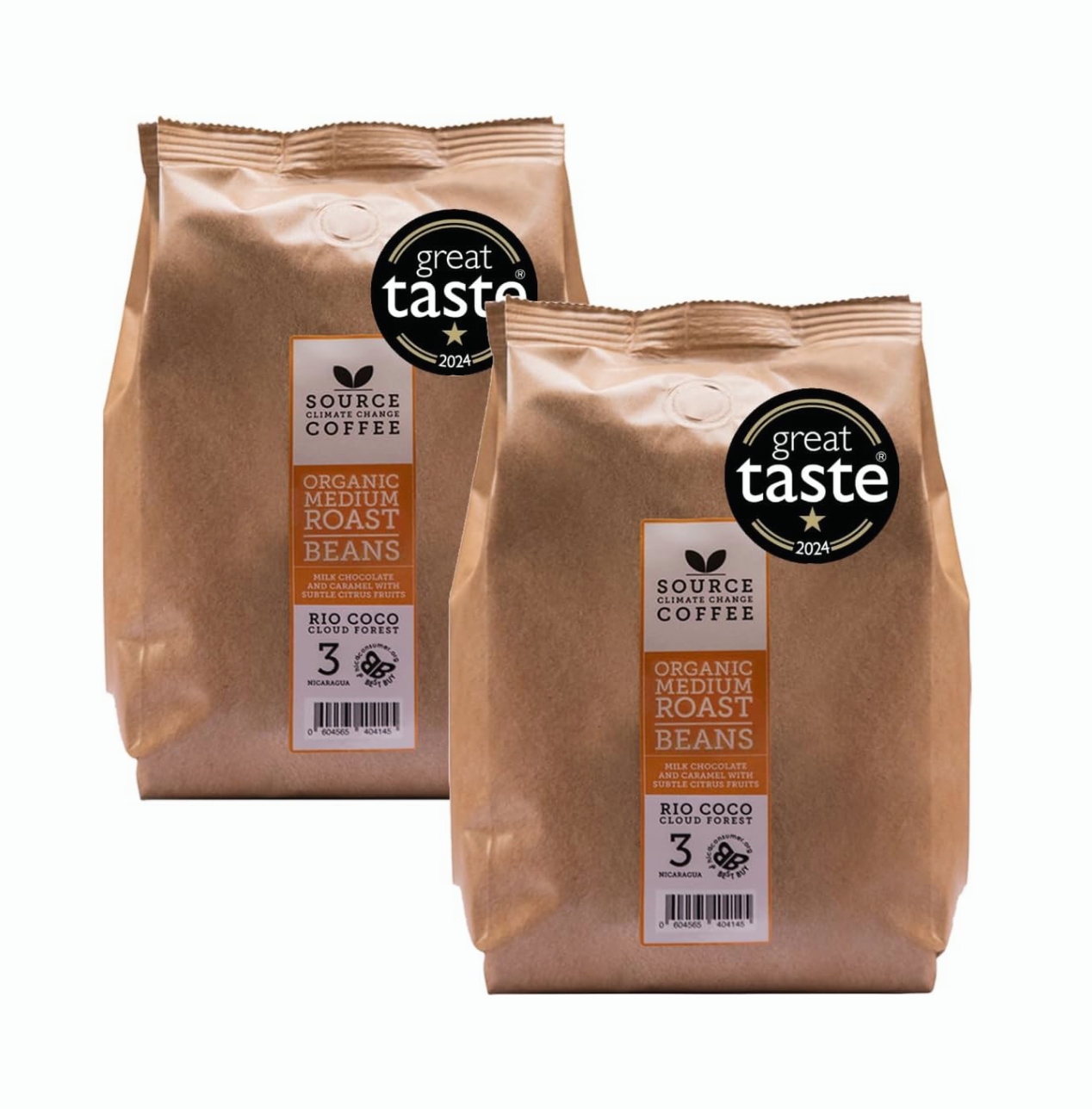
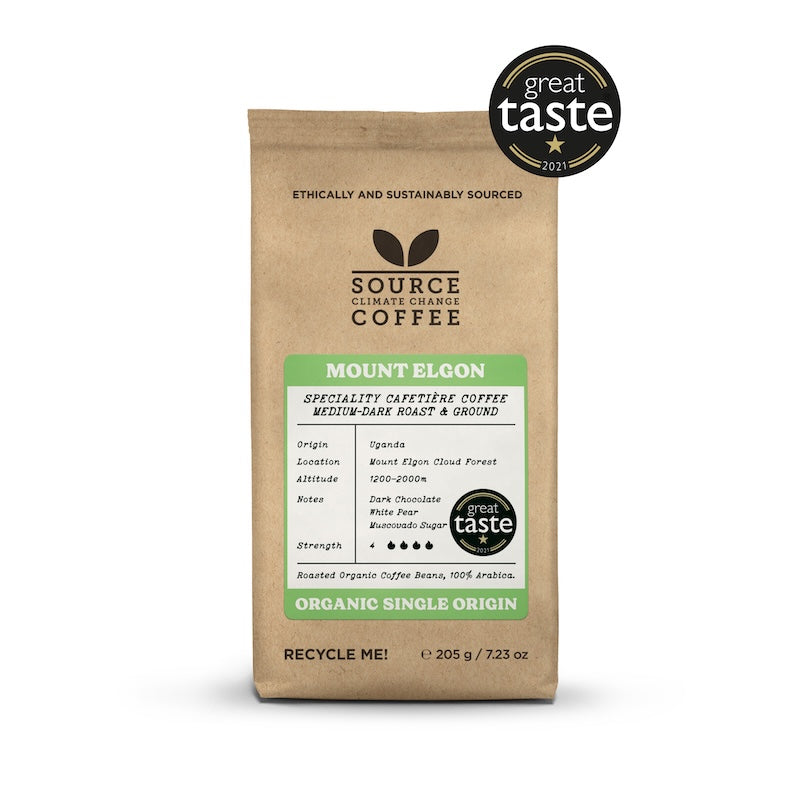
Medium roast coffee keeps the original flavour (fruity, nutty, etc) with balanced acidity and a clear taste that still feels full. Medium-dark roast coffee has a richer body, more chocolate and caramel notes, and less acidity with a smoother mouth feel. Dark roast coffee has bold, smoky or bittersweet notes, with the lowest acidity and can taste ‘strong’ without caffeine.
So, adding more coffee to your machine or mocha pot or cafetiere will increase the strength of your coffee, as will brewing it for longer and using a finer grind setting. These options can have as much impact on your coffee strength as the caffeine content or the roast level.
And don’t forget, if you add milk that will also make a difference. Choose medium or medium-dark roasts if you prefer to drink your coffee black. And medium-dark to dark roast if you like a bold, chocolate-y coffee with milk.
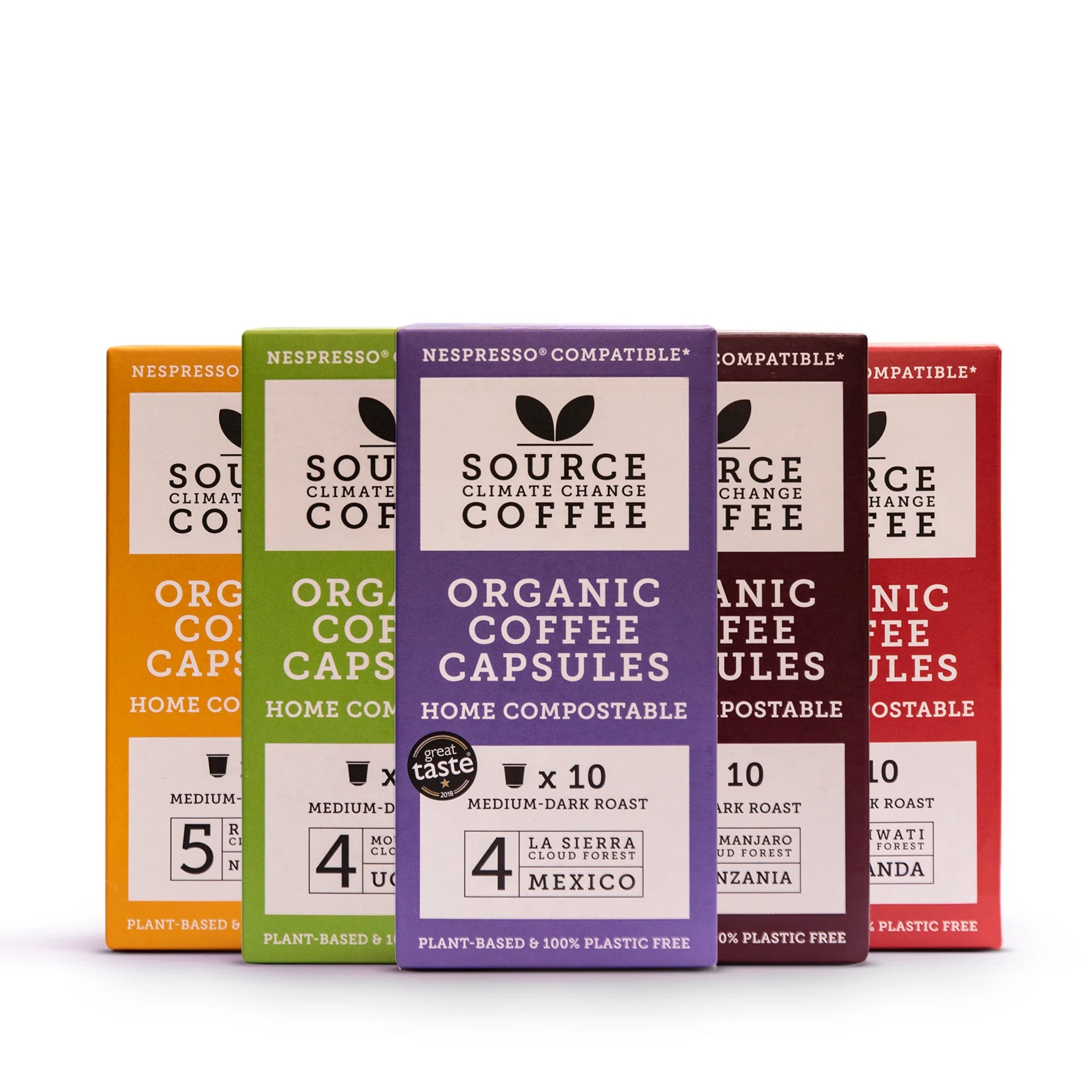
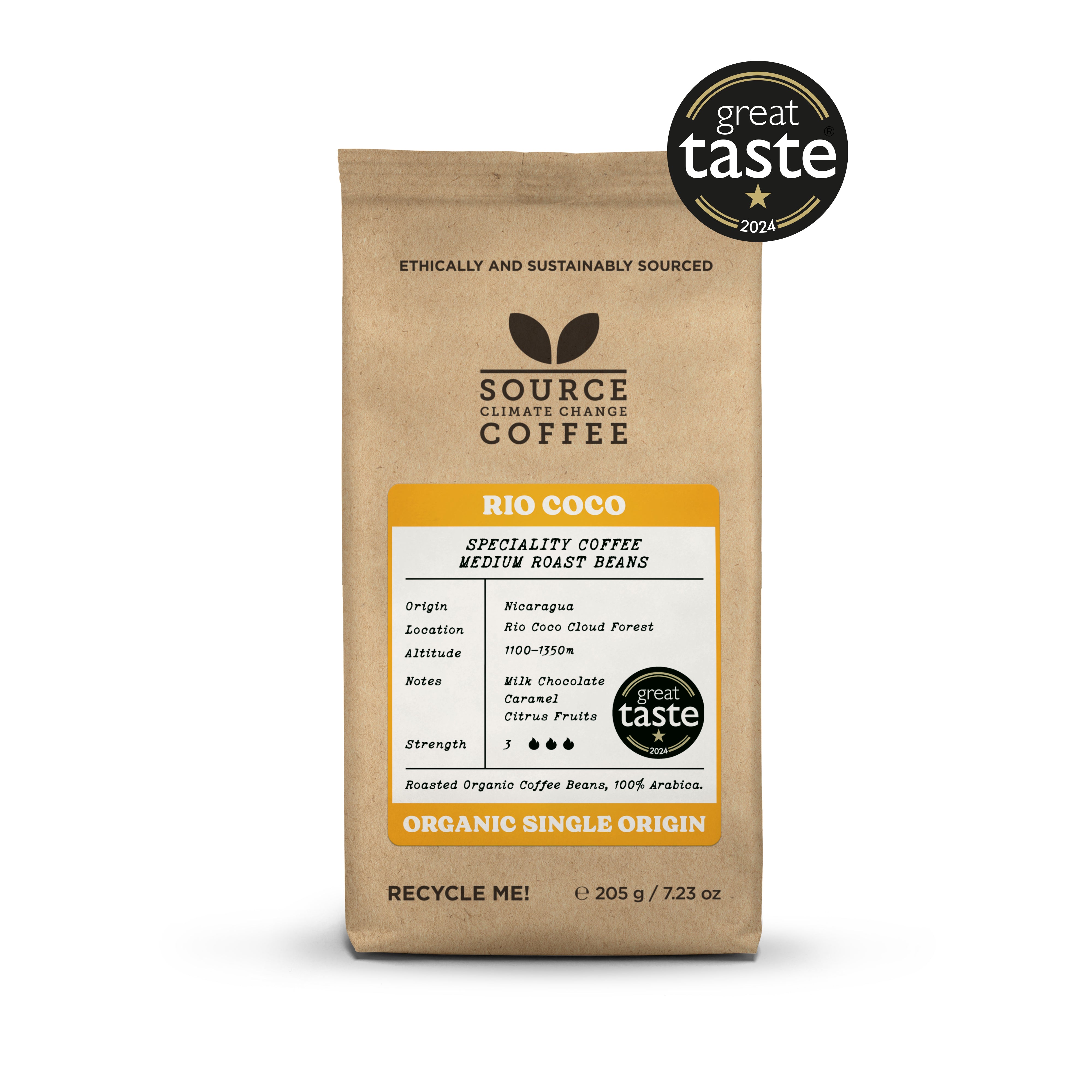
Every pack of Source Climate Change Coffee has a roast rating and a flavour profile. If you are unsure which to choose, try out our taster packs and try them all. If you already know which of our coffees is your favourite, put it on subscription and we’ll send packs out to you regularly.
Related post
30
Sep
12
Aug
06
Jul
04
Jun
13
May
RECENT POSTS