Single origin coffee - from farm to cup
Coffee consumers are more conscious about where their coffee comes from. When you buy a single origin coffee makes it easier to trace and to know that it is consistent in quality. This is about flavour and ethics - from farm to cup.
What does single origin mean?
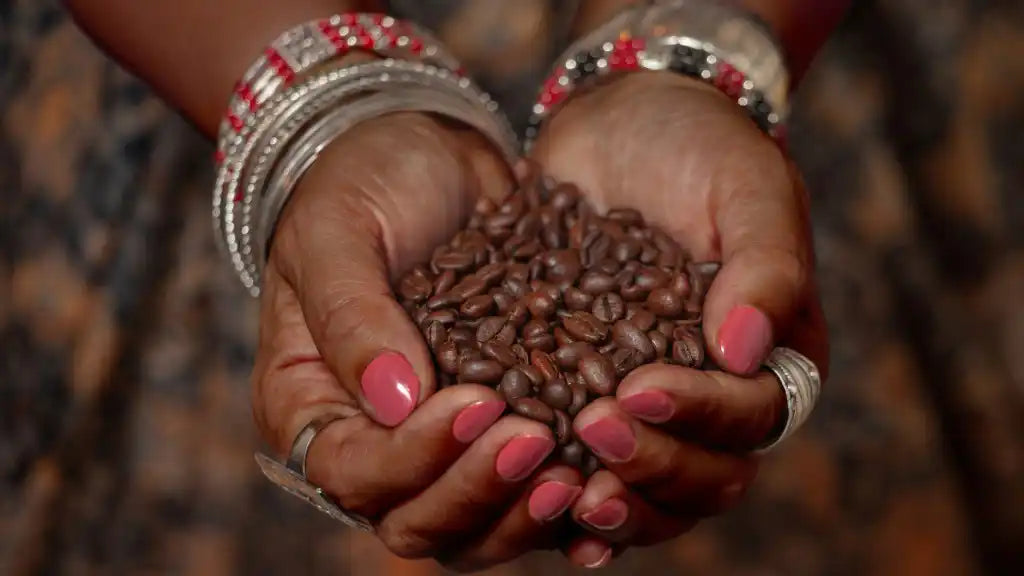
Single origin means that the coffee beans have been sourced from one smallholding, co-operative, farm, region, or country, rather than using a mix of coffee beans of different types or from different areas.
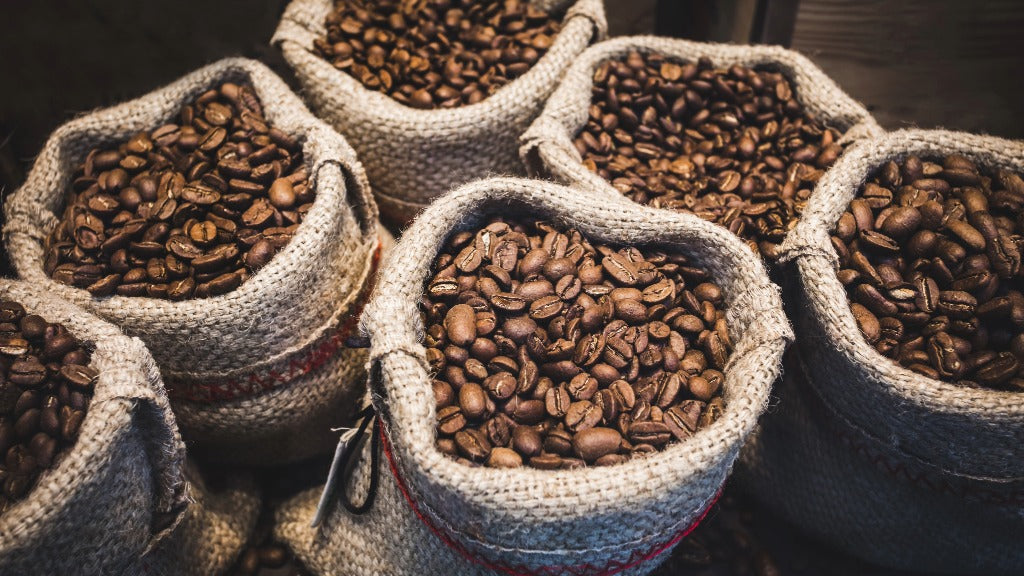
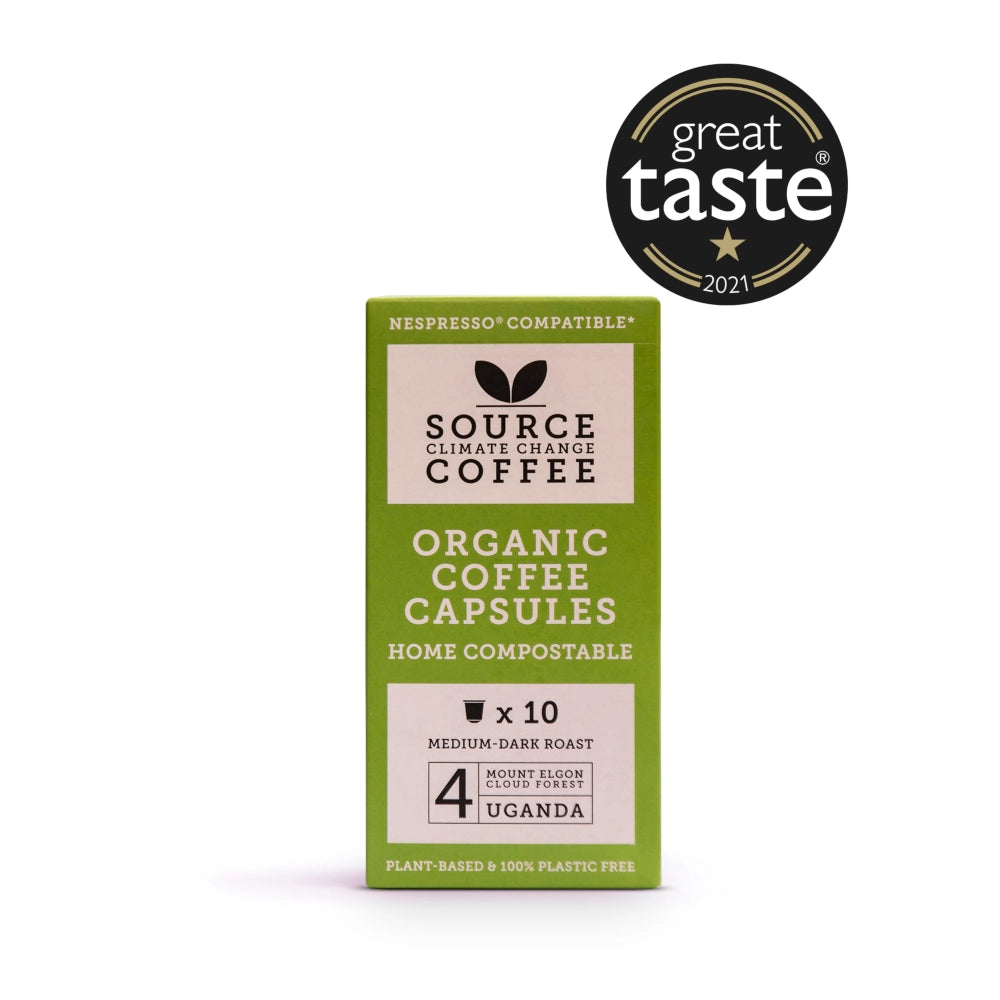
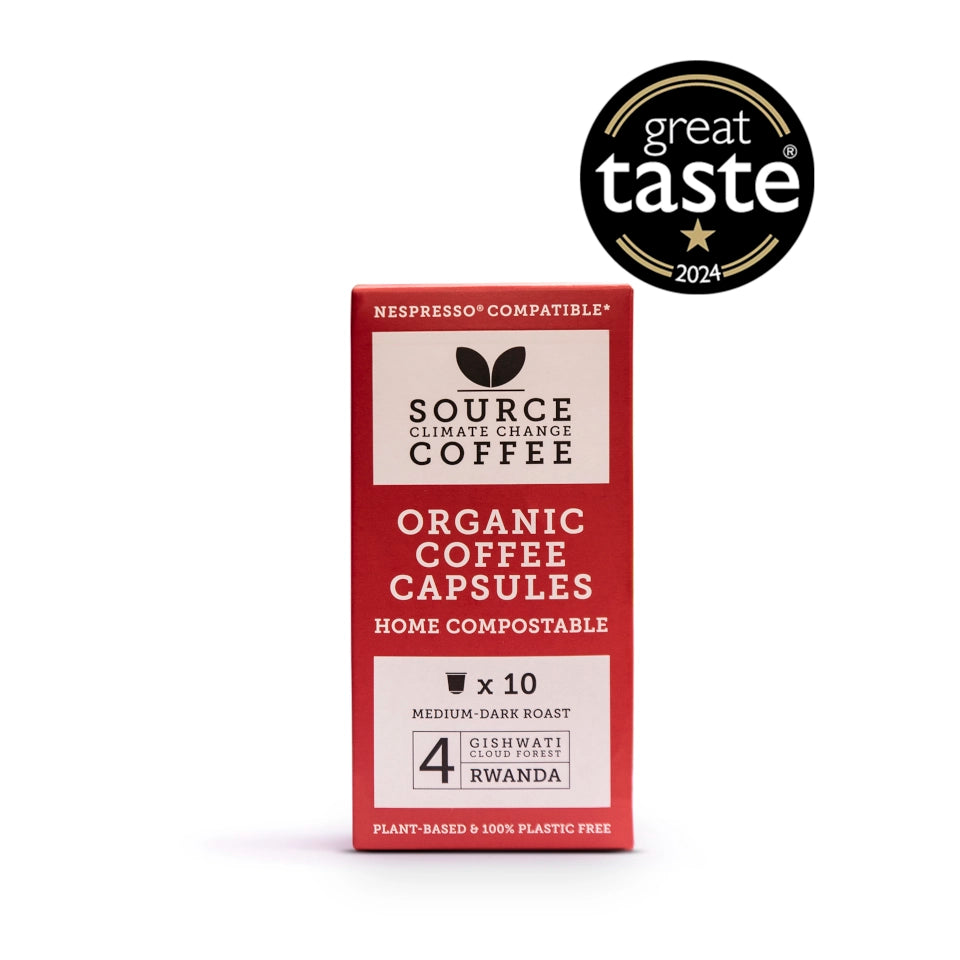
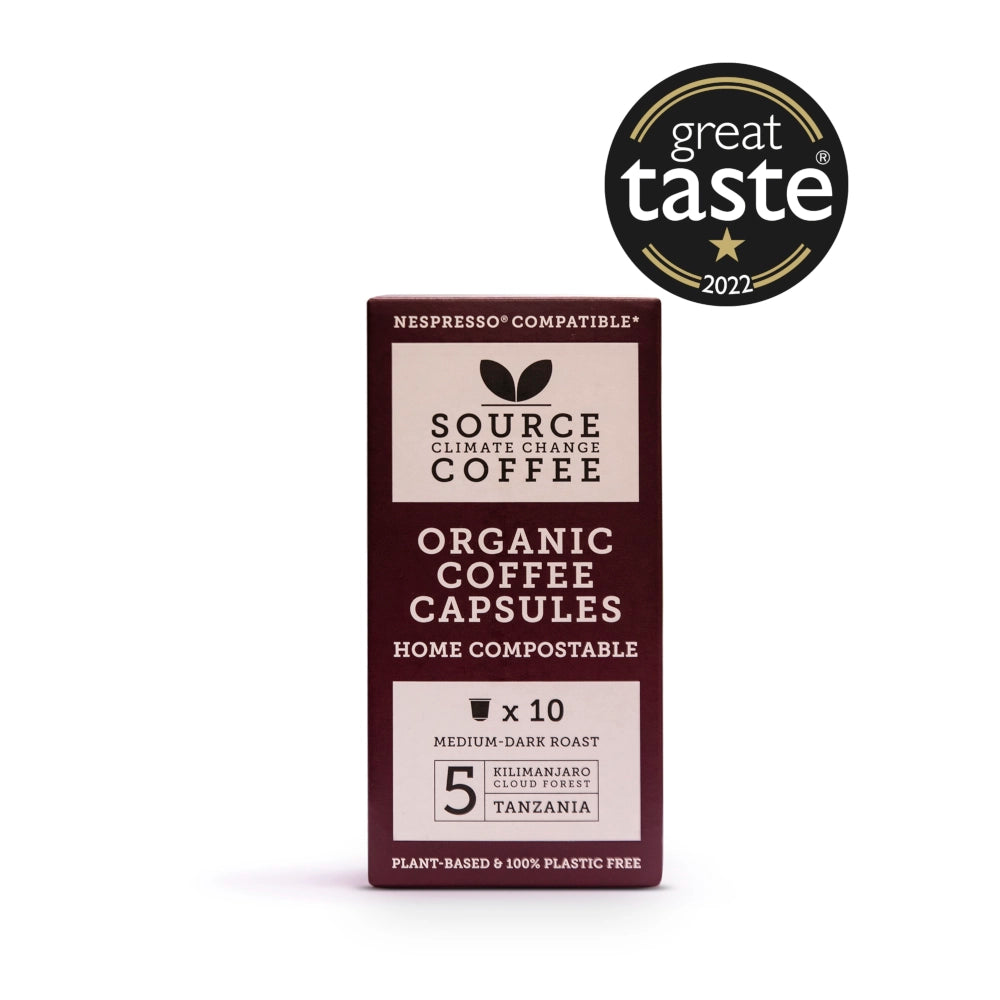
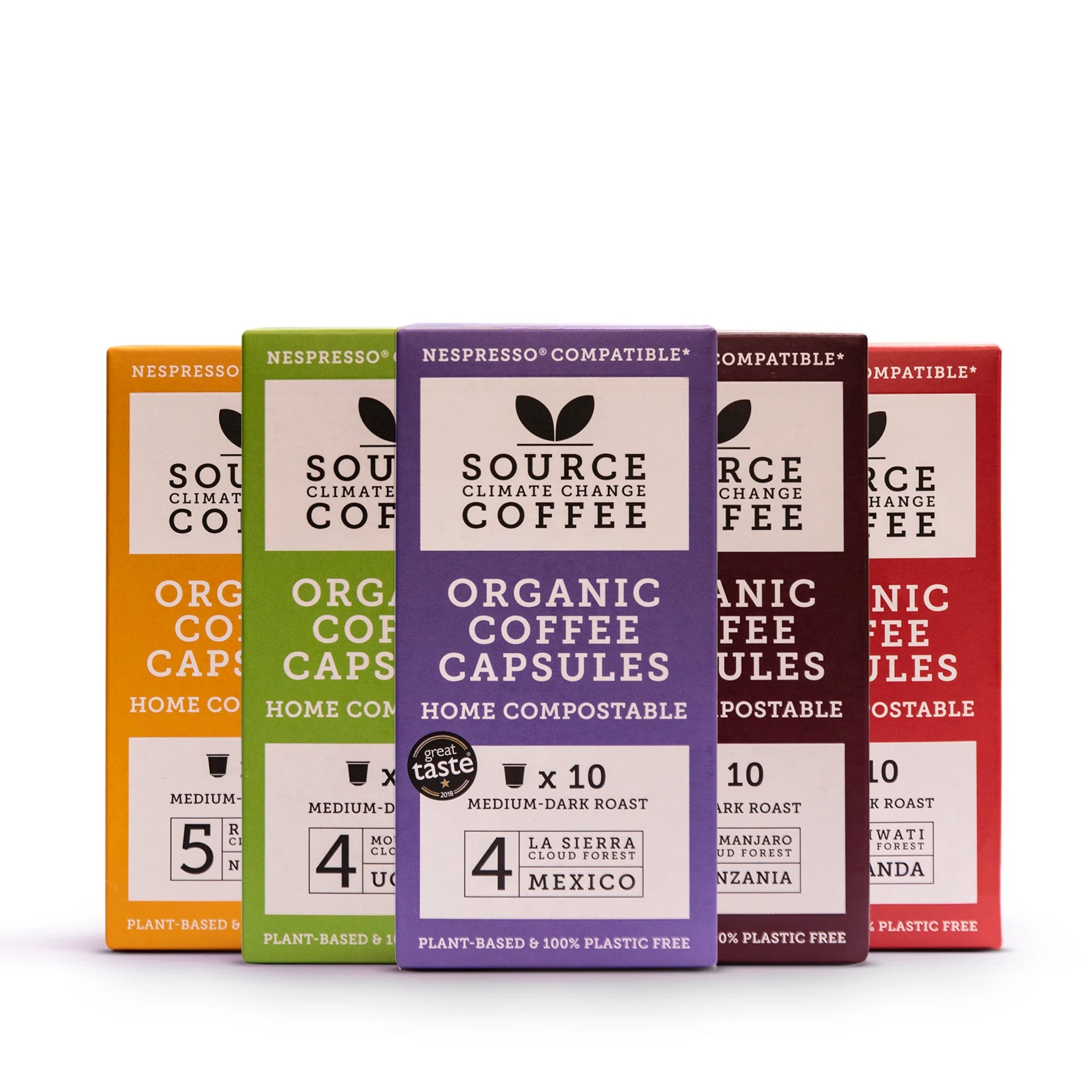
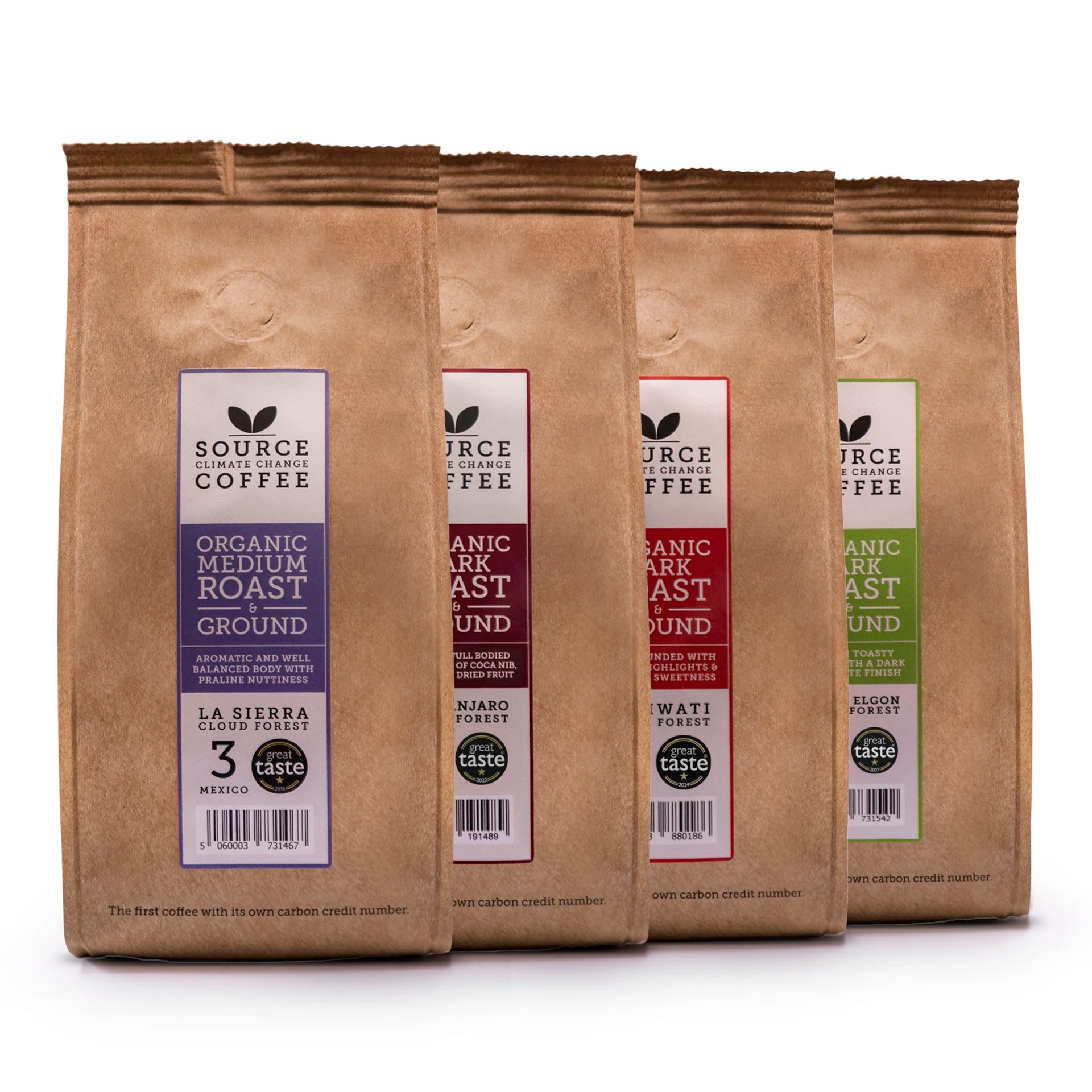
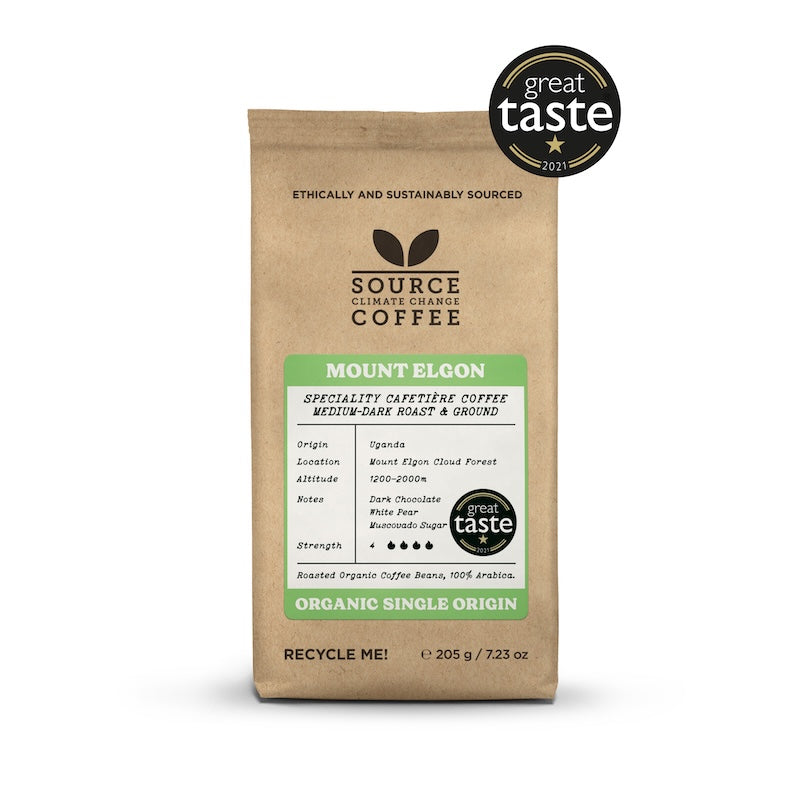
Coffee roasters sometimes choose to combine a mix of coffee beans to achieve a specific taste profile that can be repeated. These are called blends and it helps to keep the costs down. However, for us each coffee has a uniqueness that cannot be repeated, these are speciality strictly high grown (SHG) coffees that each have their distinct flavours. For example, our Rwandan coffee has lively citrus highlights, and a caramel sweetness while our Ugandan coffee has intense toasty chocolate notes, and our Tanzanian coffee has hints of dried fruit, cocoa nib, and molasses! Despite all three coffees being grown in Africa, they are very different. A coffee roaster could choose to mix a combination of these beans to get a standard coffee profile. We choose not to.
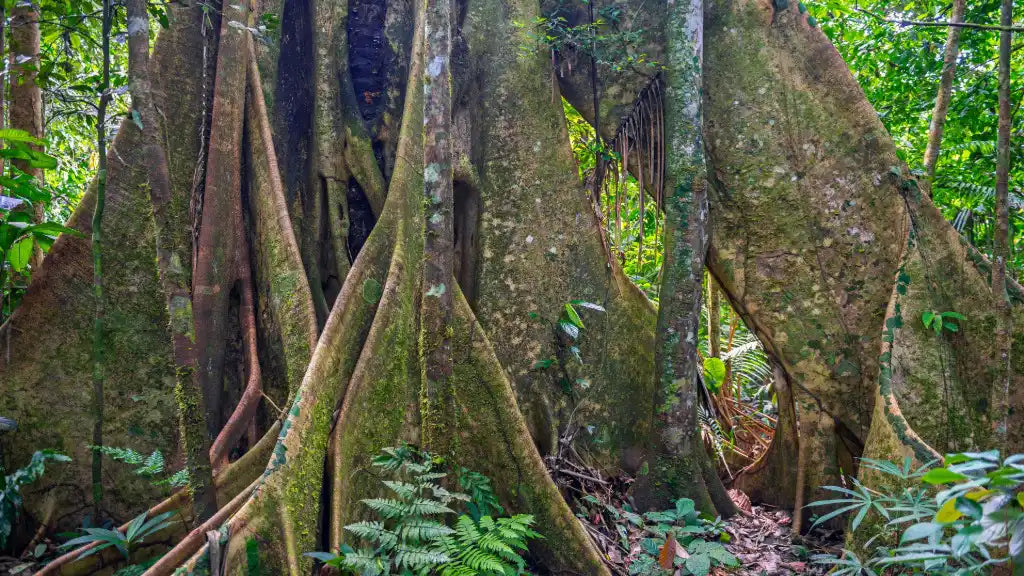
The terroir (soil, climate and altitude) where the coffee is grown in affects the flavour. Much like it does with grapes for a fine wine. Our coffees are all grown in cloud forests at high altitude where the temperature is ideal for coffee, which prefers a cool climate. But each is individual in taste, taking up the personality of the ground in which it is grown.
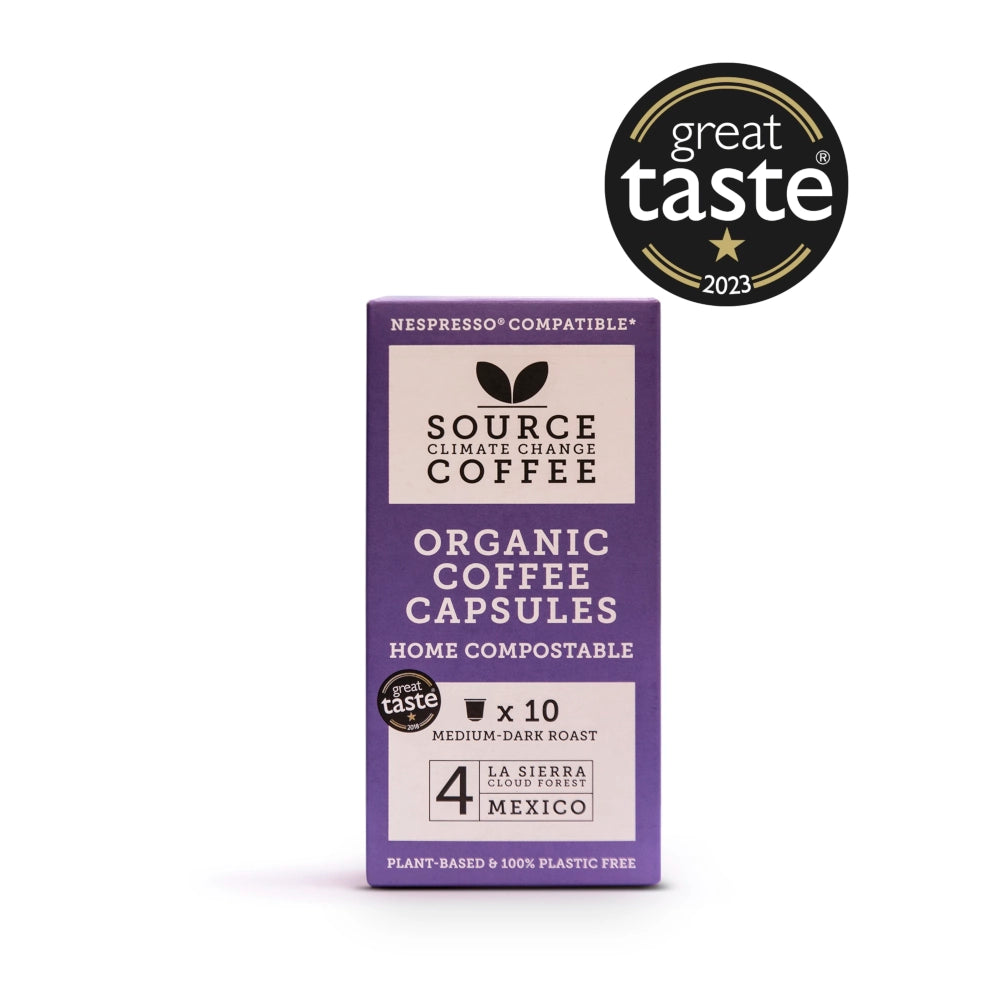
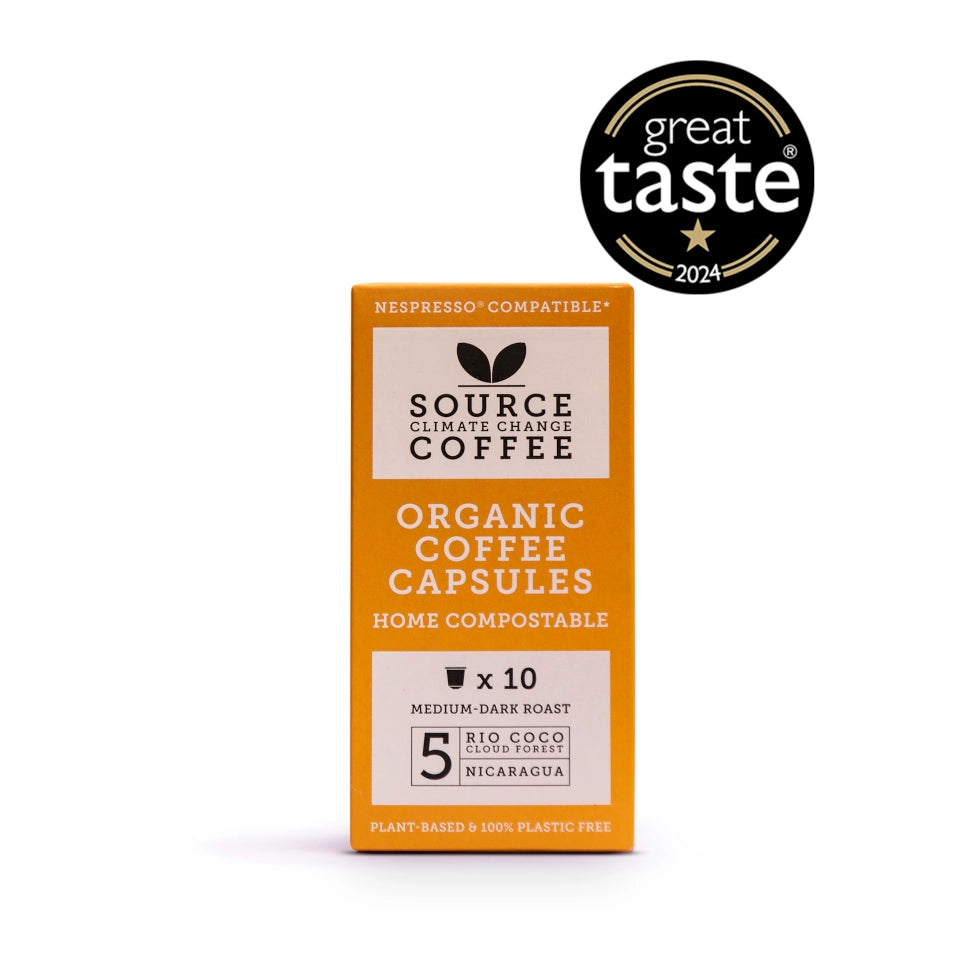
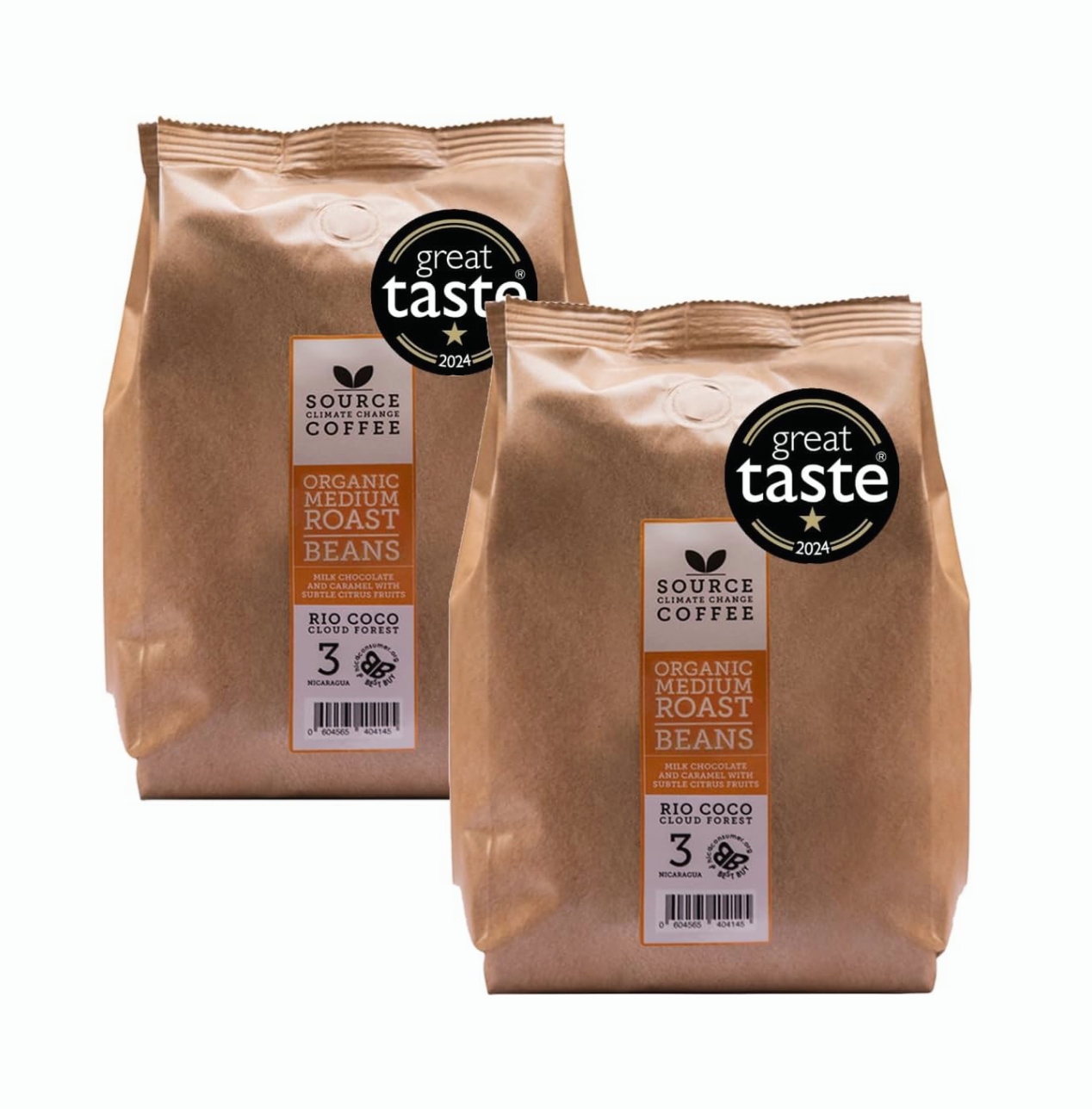
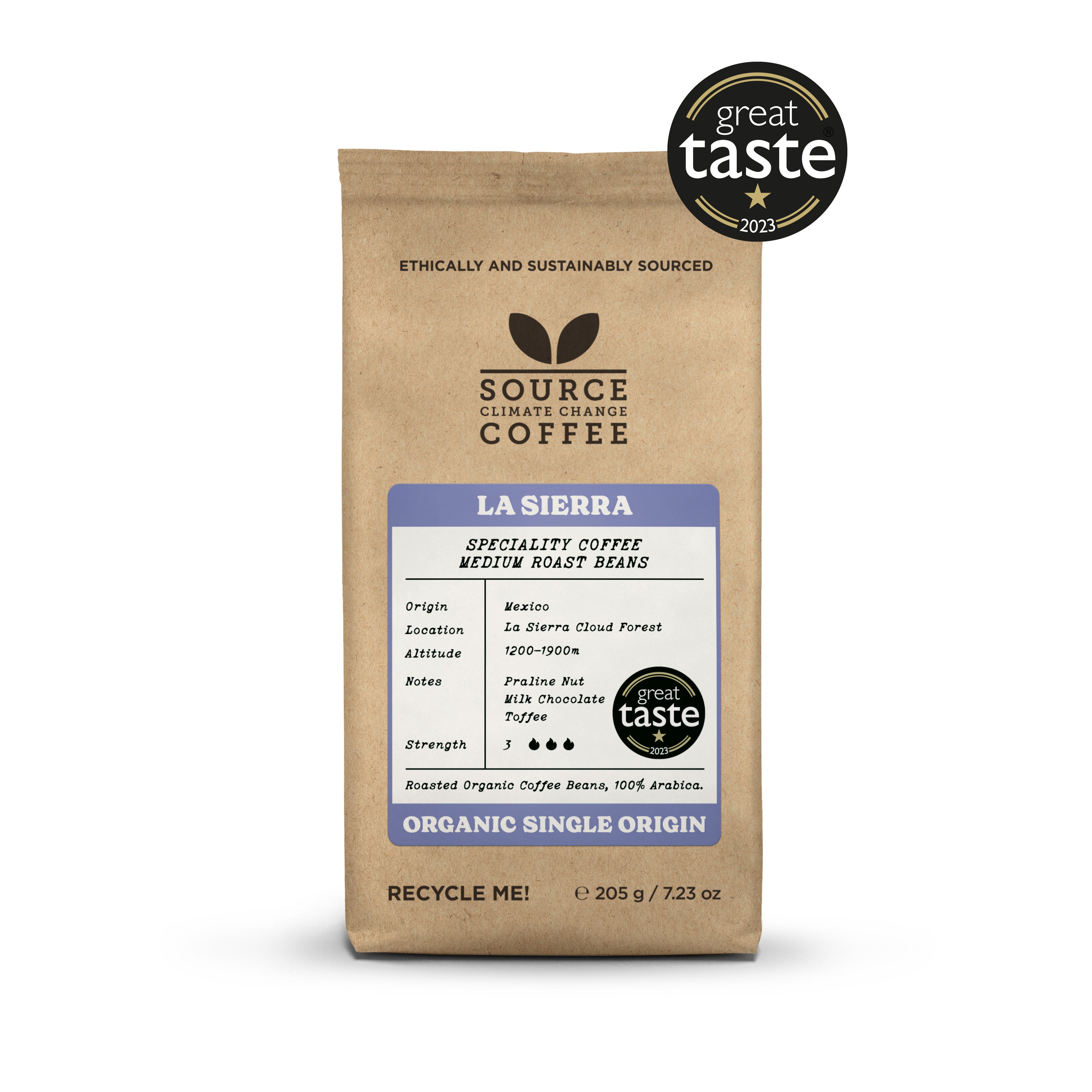
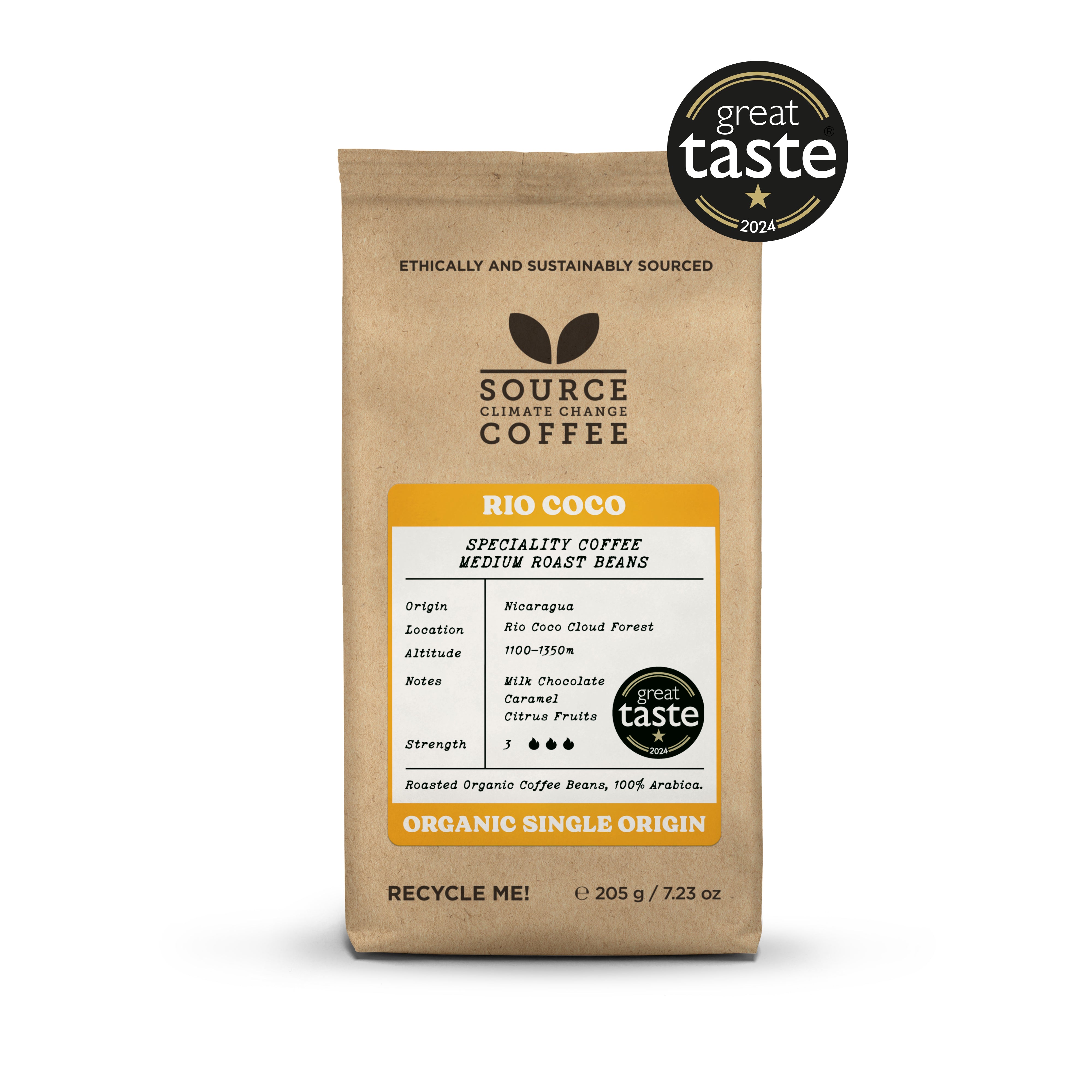
Rio Coco cloud forest coffee from Nicaragua has notes of milk chocolate and caramel while La Sierra cloud forest coffee from Mexico has a delicious praline nuttiness aroma. By choosing to sell single origin, our customers get to taste and enjoy the distinctive regional characteristics of each coffee. Our coffee drinkers all have their own favourite which they’ve settled on and that’s why we offer a repeat subscription service.
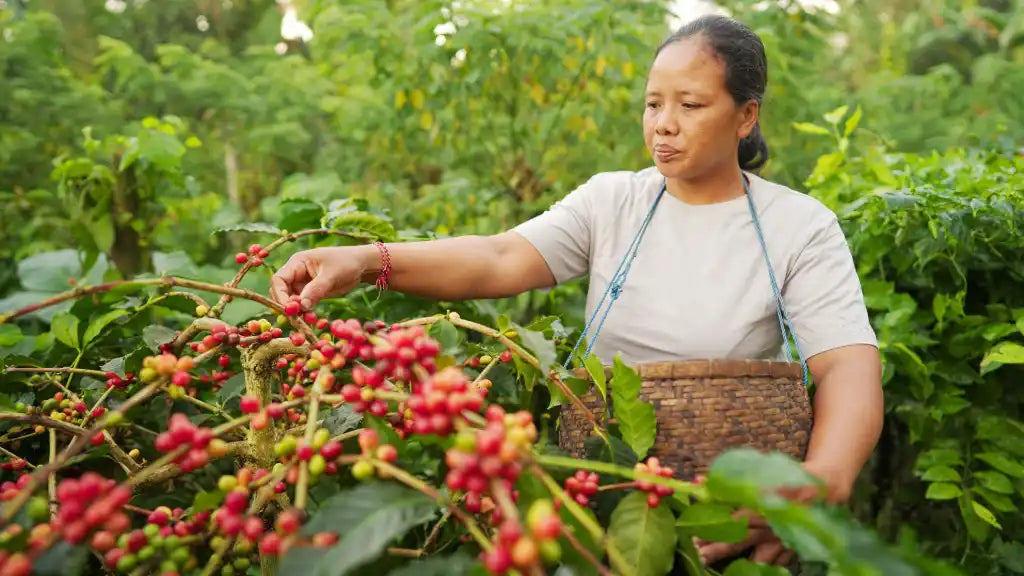
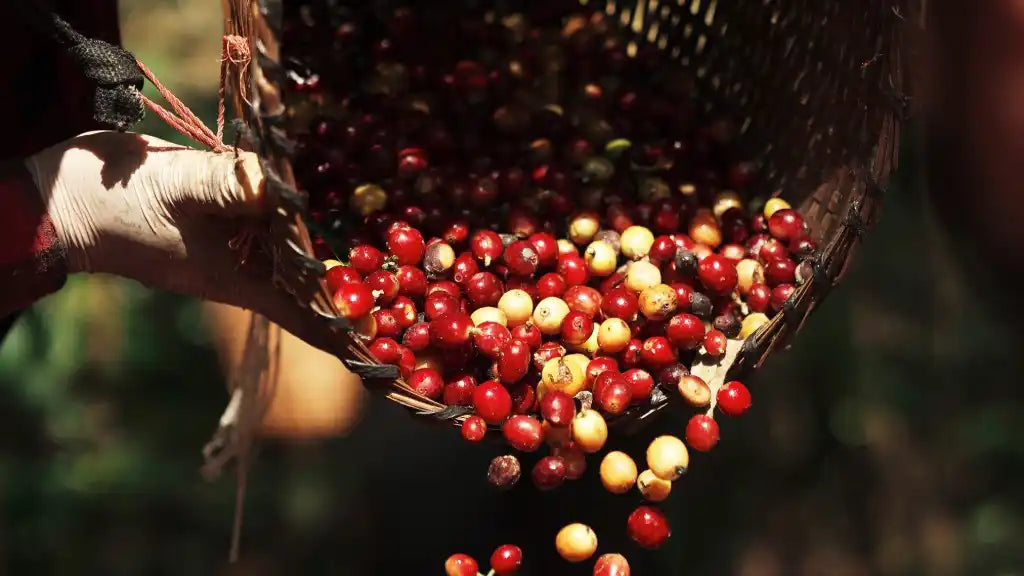
More importantly, by selling only single origin organic coffees, we are able to be transparent about their origin. We know the exact smallholding, the local community, and the cultivation methods that they use when they are growing our coffee. It allows us to trade directly with them and develop closer relationships with our growers and roasters.
One of the things we are able to do with the profits from our coffee is invest in projects that support smallholder coffee growers by improving sustainable land management practices, and encouraging them to future proof their businesses through agroforestry. An added benefit of this training is that they improve the biodiversity of their local region and mitigate the effects of climate change. Because standing forests help fix soil, and maintain watersheds.
Small scale production is more expensive, but the quality of the coffee is high. Being organic, it is cleaner with fewer chemicals used in growing and processing the coffee. The fact that it is completely traceable, improves the livelihood of our growers, and contributes to local conservation is an added bonus. This, combined with the fact that single origin coffee offers uniqueness to coffee enthusiasts looking for a particular taste profile, makes it the coffee of choice for many.
comments ( 1 )
Related post
19
Oct
30
Sep
12
Aug
06
Jul
04
Jun
RECENT POSTS











In this blog, the explanation of single origin coffee from farm to cup highlights its traceability, unique flavor profiles tied to specific regions, and the importance of sustainable farming practices while showing how origin influences quality and taste in specialty coffee.