Shade Grown and Sacred: Coffee From the Forest Communities of Mexico
Mexican shade grown coffee is more than a crop. It is a forest based livelihood for local Mayan and Mestizo communities. Part of a sacred relationship with land and tradition.
Shade grown coffee helps to preserve forest cover in the cloud forests high in the mountains of Sierra de Monterrey and Sierra de Veinte Casas near the El Ocote biosphere - a biodiversity hotspot with over 2,000 plants and 5,500 animal species.
In this area, agroforestry supports Indigenous smallholders and coffee growers economically, while also improving the climate resilience of their farms against heat, irregular rainfall, hurricanes and biodiversity loss.
Coffee rooted in the forest
The cloud forests high in the mountains provide the perfect conditions for coffee growing. They are cooler and have high humidity. Rainfall is high, between 1,200 and 2,500 mm a year. The altitude - 2,000 metres above sea level - means the beans ripen more slowly, enhancing the flavour.
Shade grown coffee lives beneath a tree canopy, not in a cleared field. It allows for more diversity in plants and animals can use the trees as habitats and travel corridors. The trees also provide food. Tropical cloud forests store carbon and provide climate mitigation. They bring temperatures down and prevent loss of soil through erosion.
Mexico’s forest communities
The mix of indigenous Maya (specifically Tzotzil communities), Zoque, and Mestizo populations in the Chiapas region participate in agroforestry and organic farming projects that are aimed at curbing deforestation in the region.
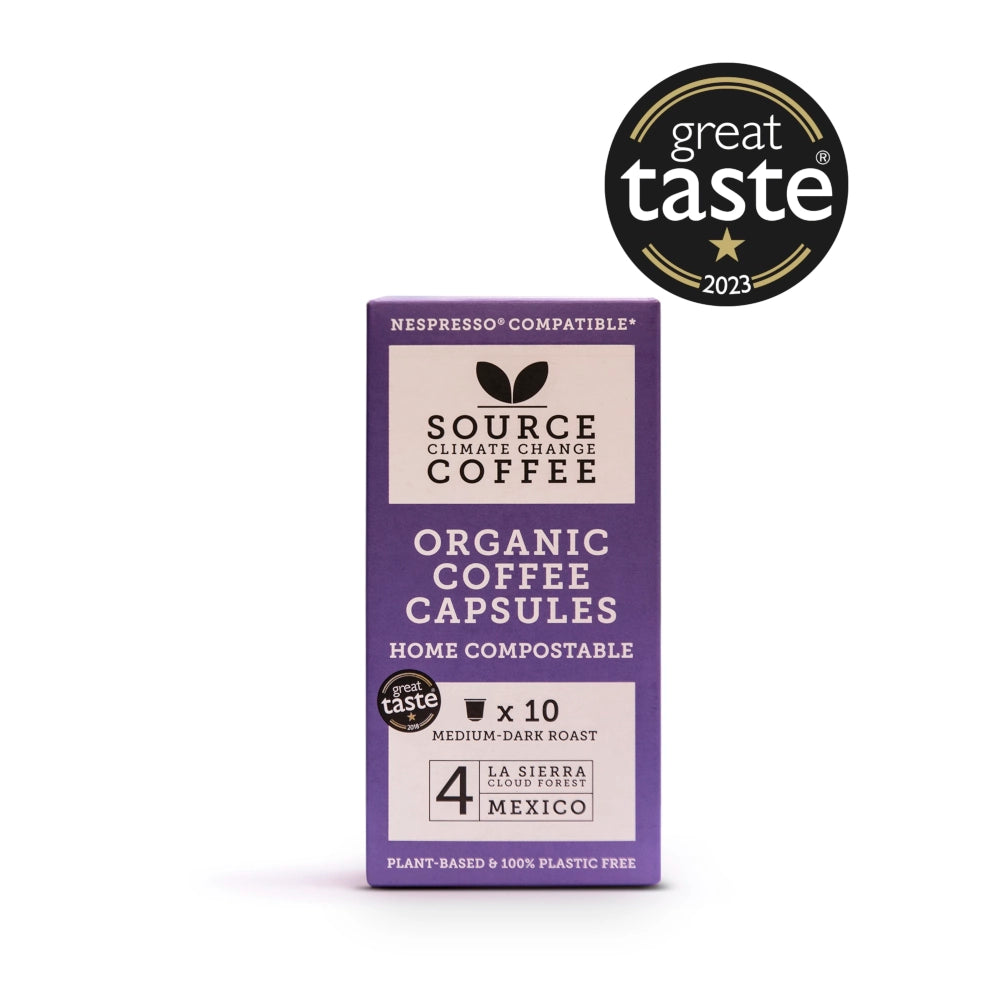
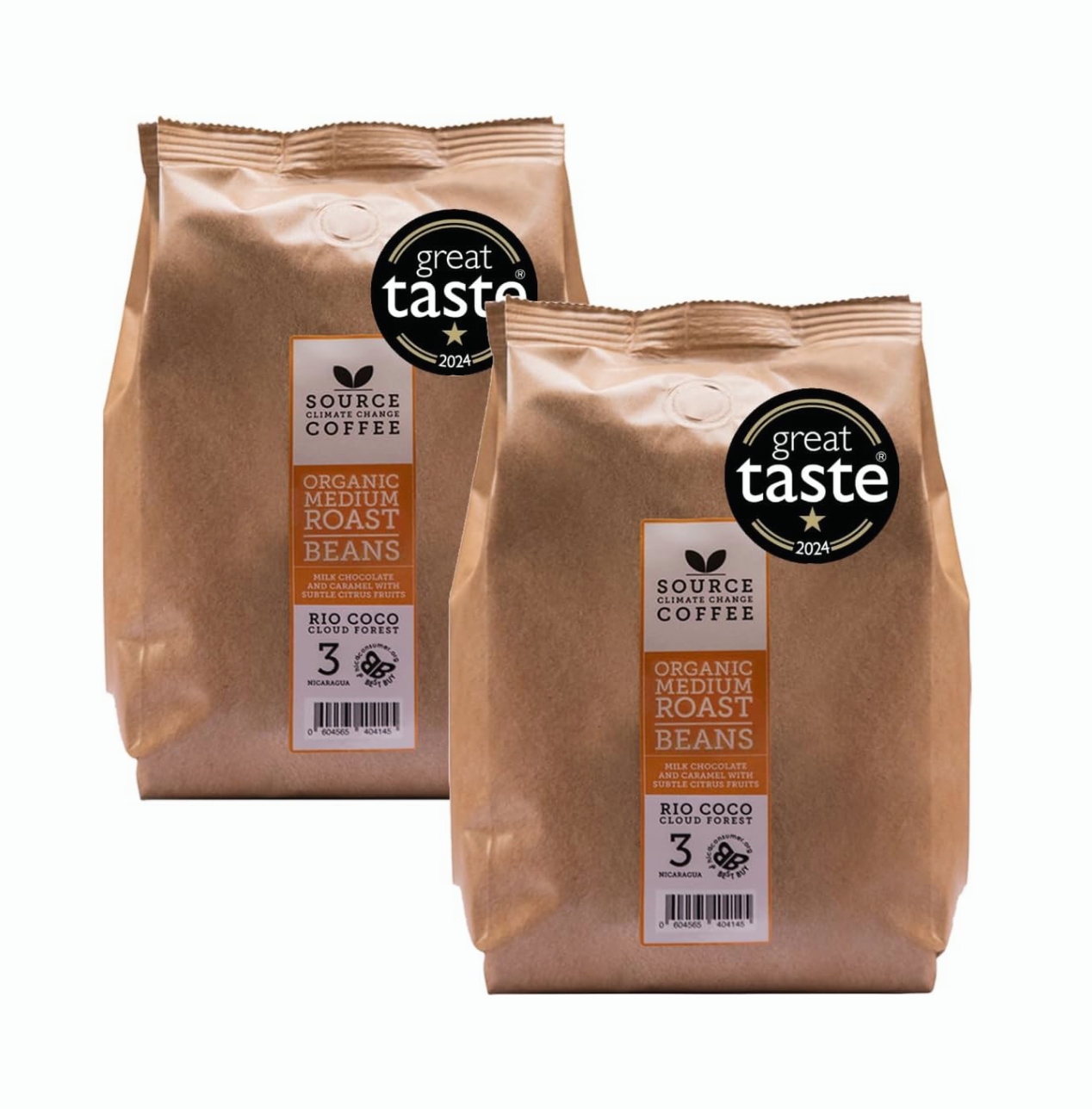
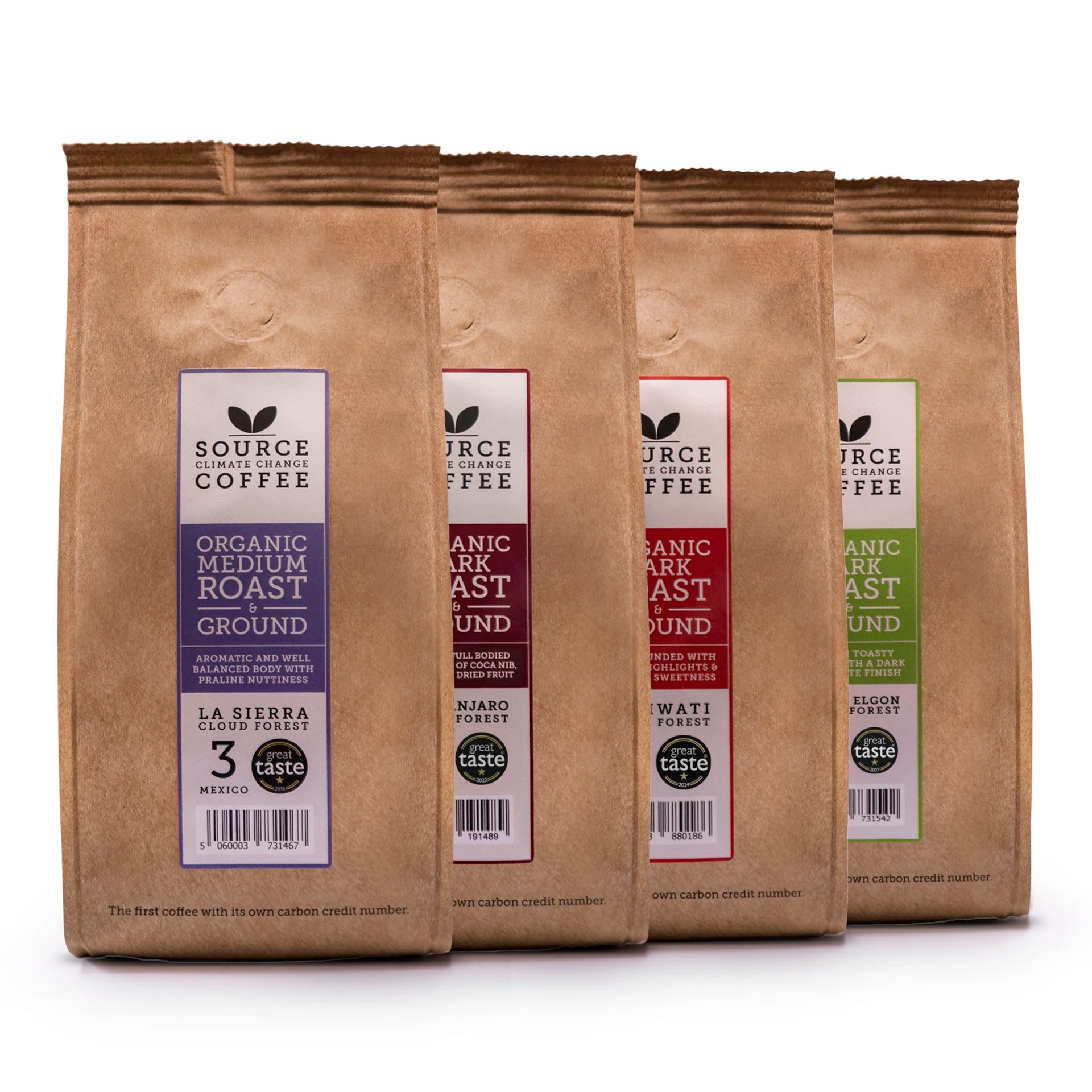
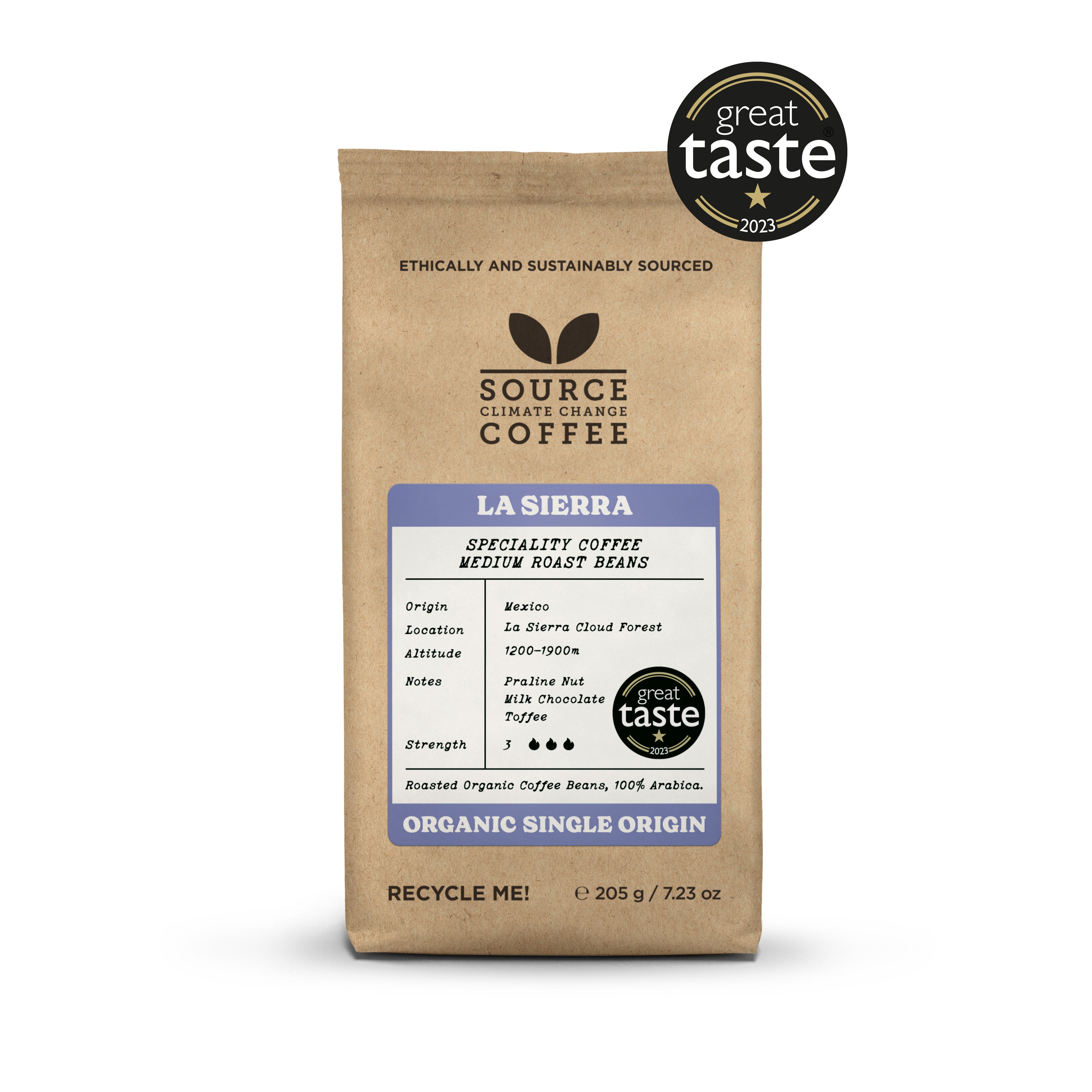
Our La Sierra Cloud Forest coffee is grown by just 30 Mayan and Mestizo communities in Mexico. For every product sold, local farmers plant trees in the forest. The scheme is managed through a forest community conservation project that is 100% traceable.
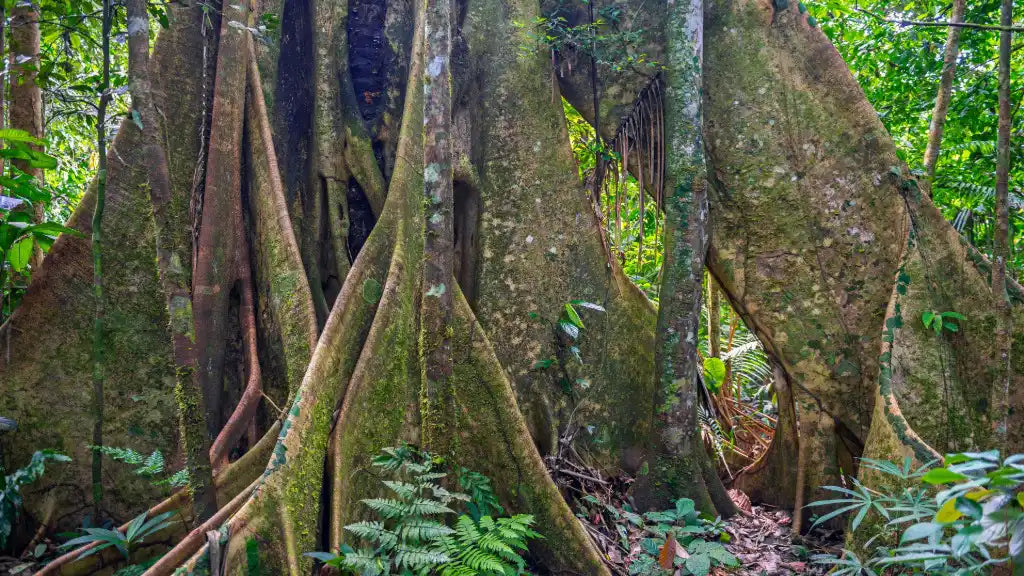
The Maya consider trees to be sacred. Yax'ché (the sacred Ceiba petandra or Kapok tree) is the centre of the world, “the tree of life”, “world tree” or “first tree”. It forms part of their creation story. The tree rooted in the underworld, the trunk sits in our world and the branches reach into heaven.
It is easy to see, then, why the Mayan community wants to preserve forests with symbolic trees being embedded in their intergenerational knowledge. They have deep zoological and botanical knowledge of their forests. This is passed down from generation to generation.
Productive forests which mix native trees, food plants, herbs and vines can incorporate coffee ‘gardens’ making them living cultural landscapes. The forests can outperform monoculture with the right stewardship and the local community is well placed to manage them well.
But economic benefit is not the only consideration. The forests help a region that is under climate change pressure. Hotter temperatures, irregular rainfall, hurricanes, floods, landslides, fires and diseases like coffee rust can decimate harvests. They reduce coffee quality and profitability, making it harder for growers to maintain a living.
Planting trees alongside crops can mitigate some of these issues, prevent erosion, bringing temperatures down, shading coffee from heat, and more. In this sense, they are the ‘tree of life’ for coffee growers in Mexico.
Related post
19
Oct
30
Sep
12
Aug
06
Jul

04
Jun
RECENT POSTS