Why empowering women is essential for sustainable coffee
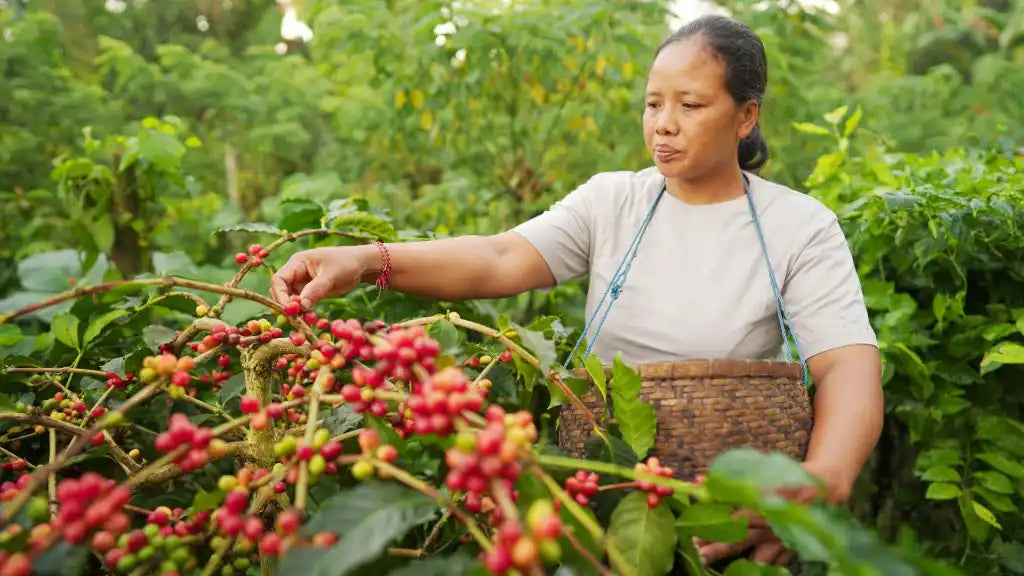
Coffee depends on women who do the majority of the work. But they often lack finance, training, land of their own to work and decision making power, if they are employed.
Sustainable coffee can’t be achieved just by taking environmental practices in isolation. All three core principles must be aligned - environmental, economic and social. Fairness, community wellbeing and quality of life depend on gender equal access to resources in coffee.
Women’s role in coffee production
Women contribute up to 70% of the labour in coffee production (International Coffee Organization, 2018) but only a third of coffee businesses are women led. That leaves them doing the basic work of planting, caring for seedlings, weeding, harvesting, processing. And at the same time, they are managing their households and coping with childcare and the care for their elders..
On official documents - farm records, co-operative membership, payment systems - women can remain anonymous. Land ownership in many countries is still in the name of the men in the households. As a relative, the woman might only be referred to as ‘unpaid family labour’ (South American Publishing). Meanwhile the men in the family might control the sales and the income that comes in.
This gender gap holds coffee farming back. The main barriers that women face are:
- Limited access to land ownership and secure tenure on the farm (coffee requires a 3-5 year investment)
- Restricted access to credit, inputs, tools, and climate information
- Lower visibility and opportunity to participate in co-operatives, training, marketing and leadership
- Unequal control over income and household financial decisions
These barriers matter commercially. They reduce productivity and weaken the resilience of coffee growing households. They also impact on the adoption of good agricultural practices. This is because without training and finance, coffee growers are unable to adopt sustainable land management practices that makes coffee more resilient to climate change.
It is widely accepted that growing organic coffee results in a drop in yields of 40% without the chemical inputs to make it happen. Without training on agroforestry models to fix nitrogen, mulching to retain moisture in the ground, making organic fertiliser from farm compost, and applying integrated pest management systems, farmers could suffer from a move to organic produce. And this would inevitably lead to a drop in income.
Climate risk makes gender equity more urgent than ever. Rising temperatures, erratic rainfall, drought, pests, and disease are making coffee growing more difficult for smallholders. They need to learn how to manage water and organic inputs to improve seedling care and use shade trees to improve soil health and water retention.
We know, from the programmes we support at Source Climate Change and Cristina’s work at the Wilberforce Institute and the Shared Interest Society that women can be key agents in building climate resilient communities.
When women receive training in climate smart agriculture, they can apply shade management, water conservation, soil improvement, and choosing resilient coffee varieties to plant. The ICO estimates that closing the gender gap could increase coffee production by 4-6.5 million bags a year - that’s an extra 30 billion cups of coffee! We’d like to see that.
It will improve the quality of coffee, provide women with economic empowerment - which we know improves the household’s health, nutrition, and education - and reduce poverty. The growers will also be better able to survive price volatility and climate shocks, which are both a threat to their livelihood.
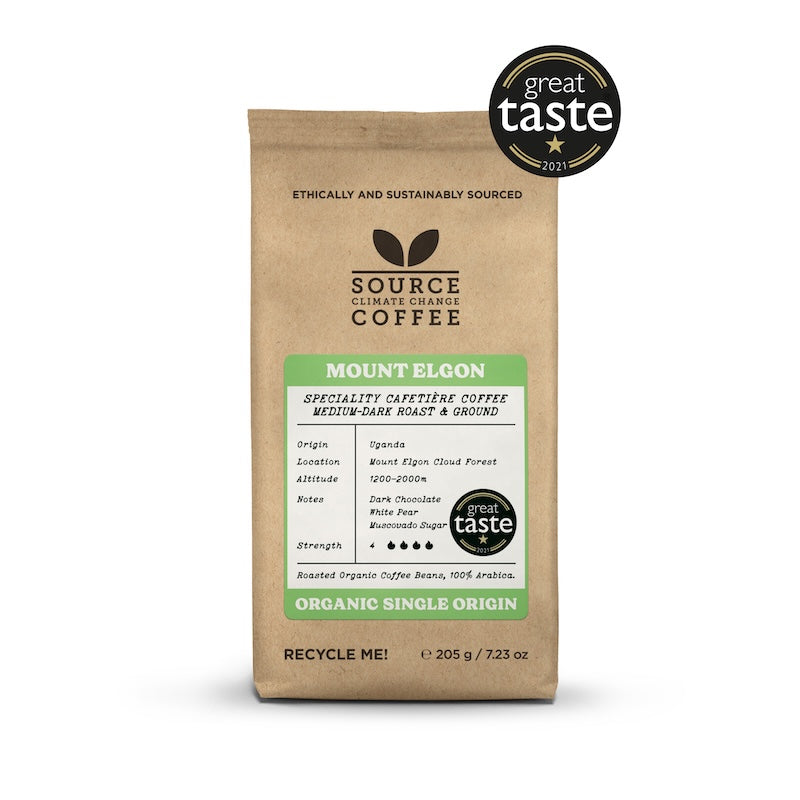
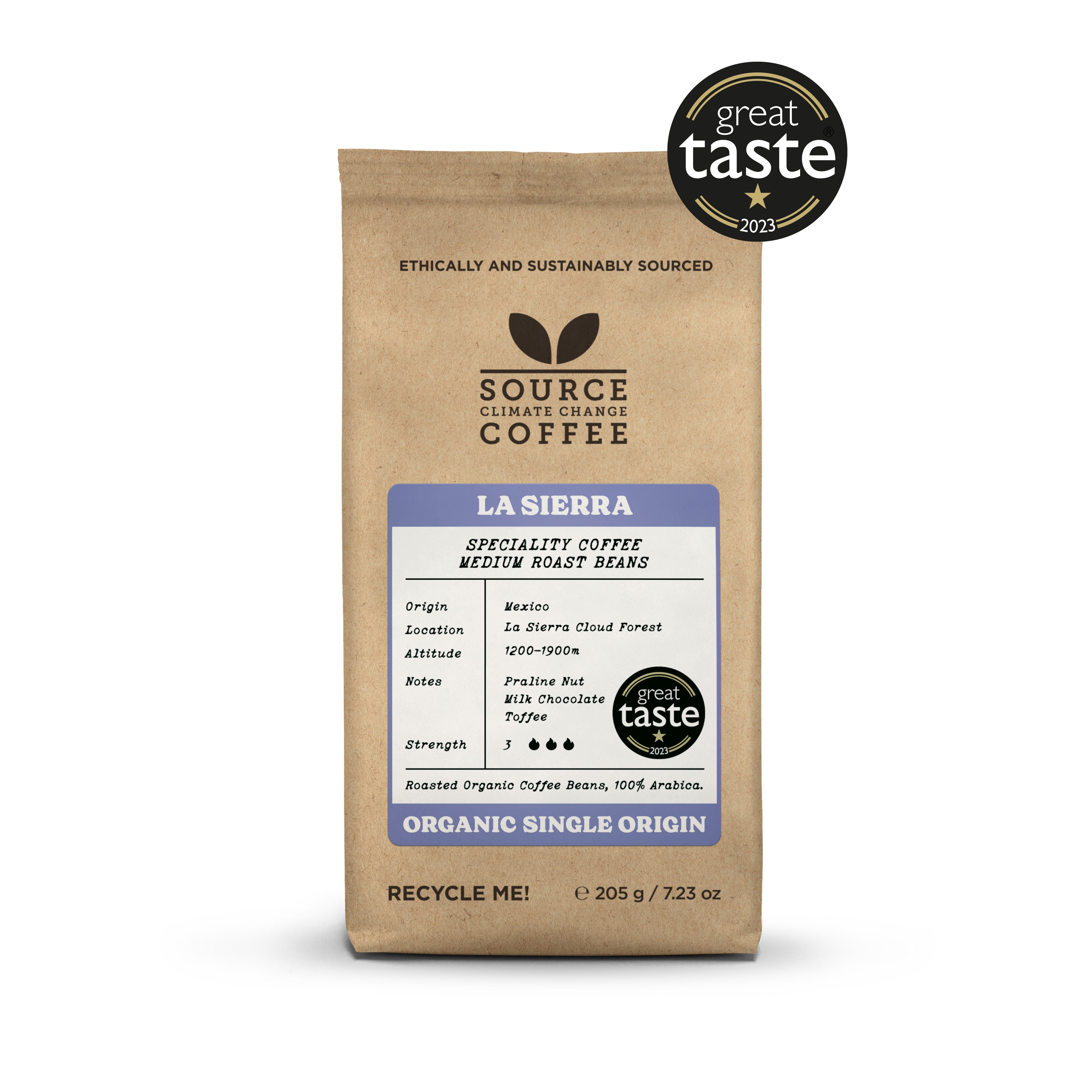
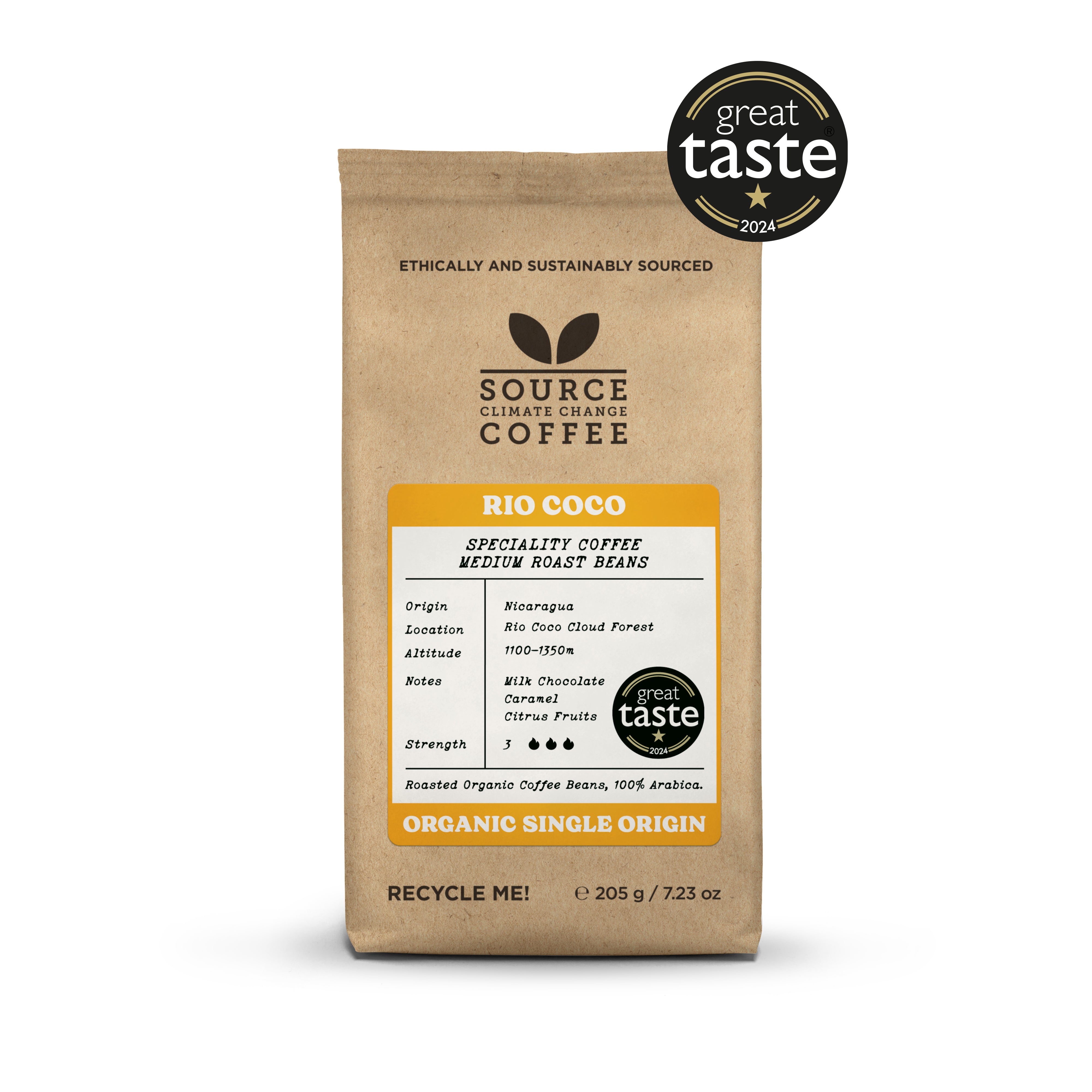
Every bag of Source Climate Change Coffee supports projects that provide training with gender representation at their heart. It is the core ethos of our company to provide women with an opportunity to build a better future; socially, economically and environmentally.
Related post
19
Oct
30
Sep
12
Aug
06
Jul
04
Jun
RECENT POSTS